en


Appointed by Sogelym Dixence, acting as delegated project manager, setec opency is delivering OPC services for the office refurbishment project at 233 Cours Lafayette on behalf of BNP Paribas Asset Management, Alts.
The redevelopment program covers nearly 15,000 sqm of office space over nine upper floors, designed to accommodate 1,300 users. It also includes 500 sqm of retail spaces open to the city and 100 sqm of terraces offering new collaborative areas. Sustainable mobility is a key component of the project, with more than 210 parking spaces fully equipped with electric charging stations—an unprecedented feature in Lyon for a building of this scale—alongside 230 bicycle parking spaces promoting low-carbon mobility.
The project fully aligns with the French “tertiary decree,” which requires a progressive reduction in energy consumption in existing tertiary buildings, with an initial target of –40% by 2030. This ambition drives the overall project strategy and informs architectural, technical and operational decisions from the earliest stages.
Beyond the project itself, this operation reveals three key lessons for successfully delivering an ambitious reuse-driven project.
Lesson #1 – Anticipate early to secure reuse timelines
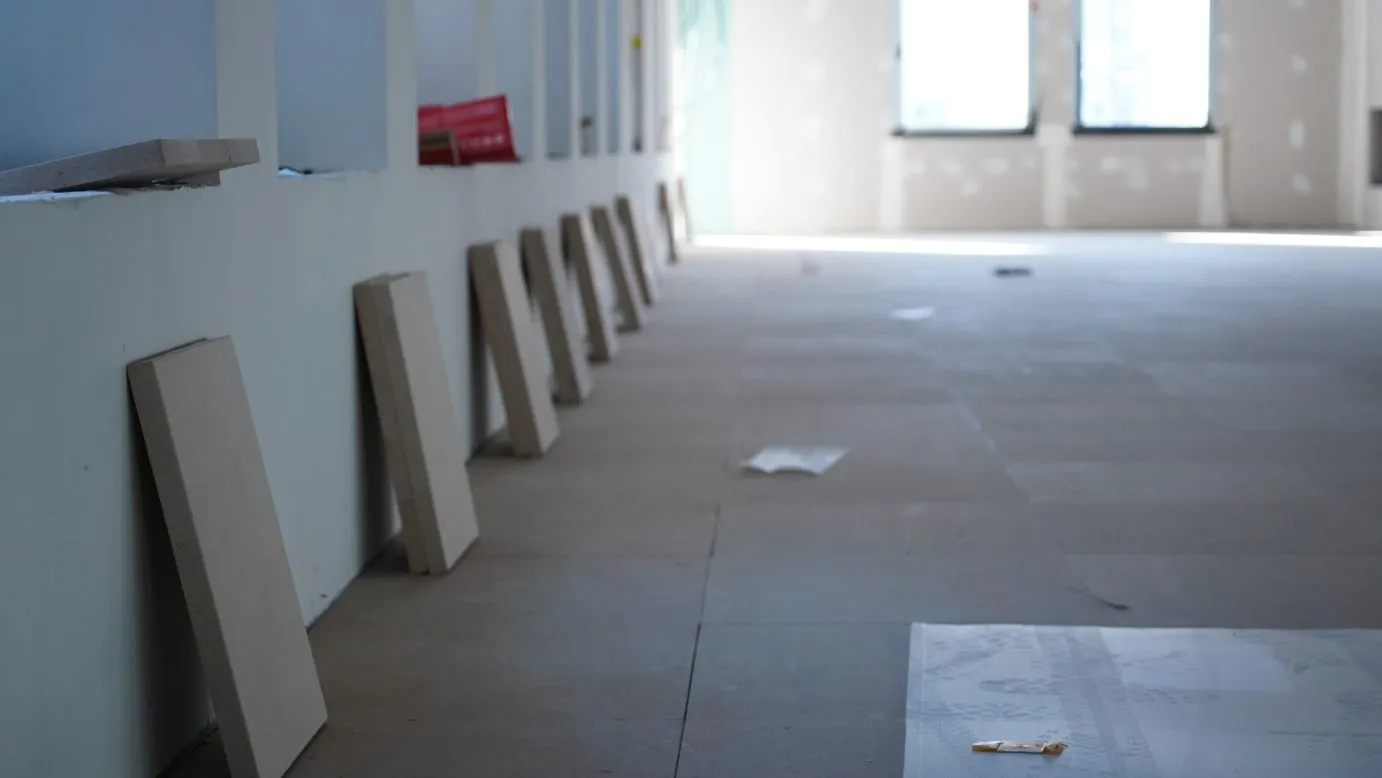
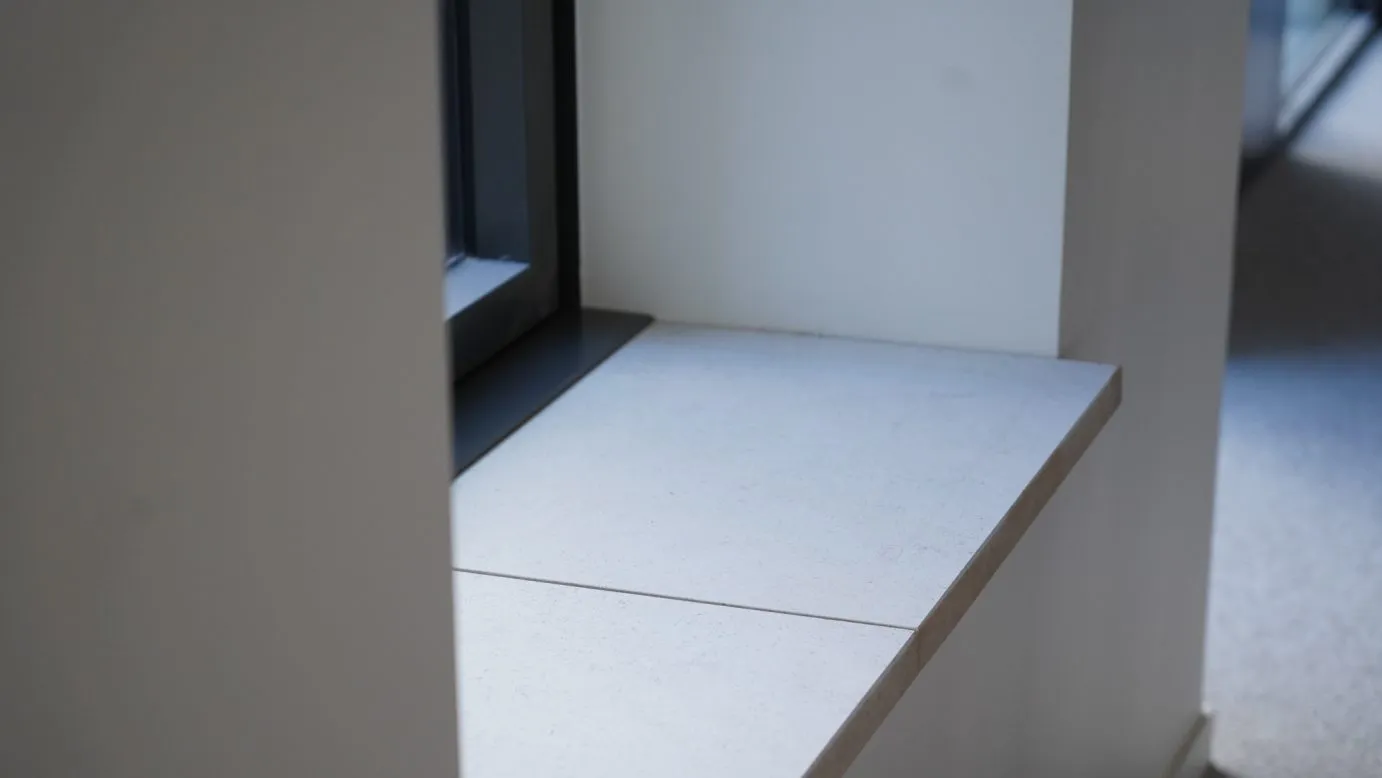
Material reuse significantly transforms project organization. Dismantling, sorting, inspection, reconditioning and transportation processes naturally extend timelines, while uncertainty remains regarding recoverable quantities. On a 15,000 sqm project, managing these material flows requires precise anticipation, combined with careful planning of storage areas—especially when the construction footprint is limited to the sidewalk.
From the design phase, setec opency worked closely with the reuse engineering firm Cycle Up and the environmental consultancy C+POS. This collaboration ensured that the construction organization plan incorporated requirements aligned with the “low nuisance” charter and necessary for achieving BREEAM certification.
Reuse-related constraints were analyzed and integrated during the preparation phase, in coordination with contractors during the development of the execution schedule. This planning considered critical factors such as material availability, sequencing of strip-out works, contractor mobilization and storage capacity. It provides a reliable framework for securing timelines while meeting ambitious energy performance targets.
This project will also generate structured feedback, contributing to better integration of reuse constraints earlier in future projects, particularly during the development of the tender-phase master schedule.
Lesson #2 – Manage reuse logistics as a core project flow
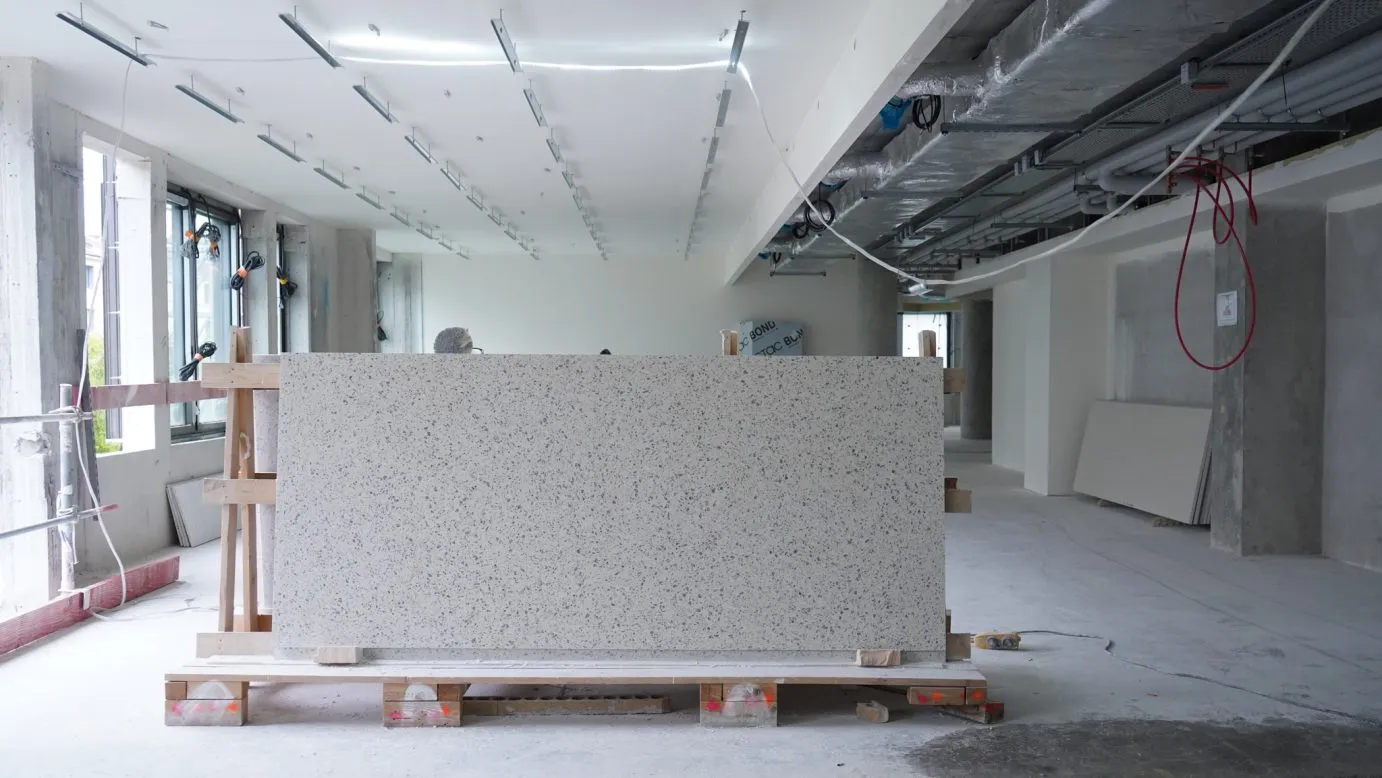
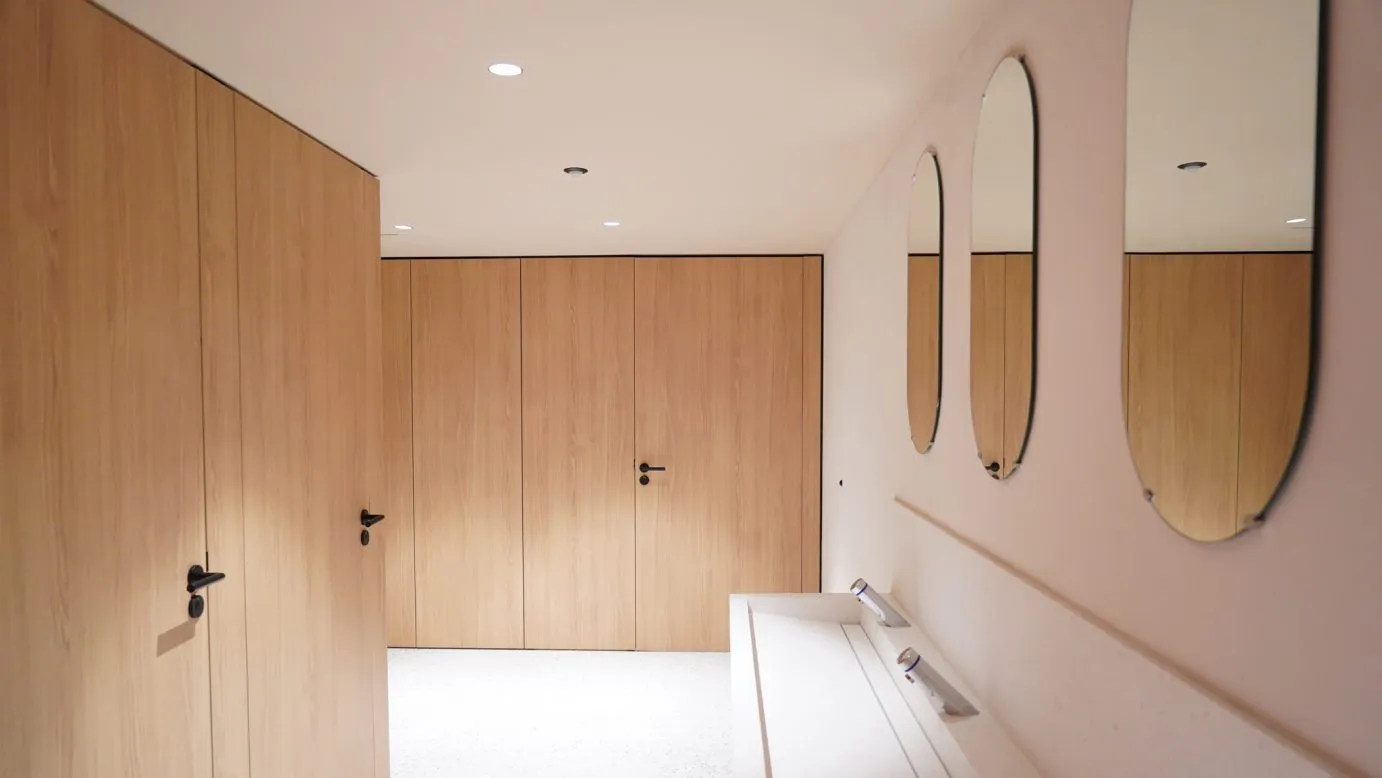
On this project, reuse is not just an environmental initiative—it becomes a fully integrated operational flow. Materials must be dismantled, checked, stored, sometimes refurbished, and then reinstalled, requiring a dedicated logistics organization synchronized across demolition contractors, reconditioning facilities and construction teams.
setec opency implemented a structured approach combining precise material traceability, rigorous stock management and reinforced coordination of flows. This enabled effective control of interfaces between strip-out, reuse and new works, despite the density of the site and the scale of the building.
Reuse on this project includes both in situ reuse—materials reused directly on site—and ex situ reuse. This involved sourcing reused materials for the project (such as raised flooring), as well as organizing the removal of materials and equipment from the site for reuse on other projects. The latter requires close coordination with recovery partners to ensure immediate collection upon dismantling, avoiding unnecessary on-site storage.
Lesson #3 – Continuously adapt site organization
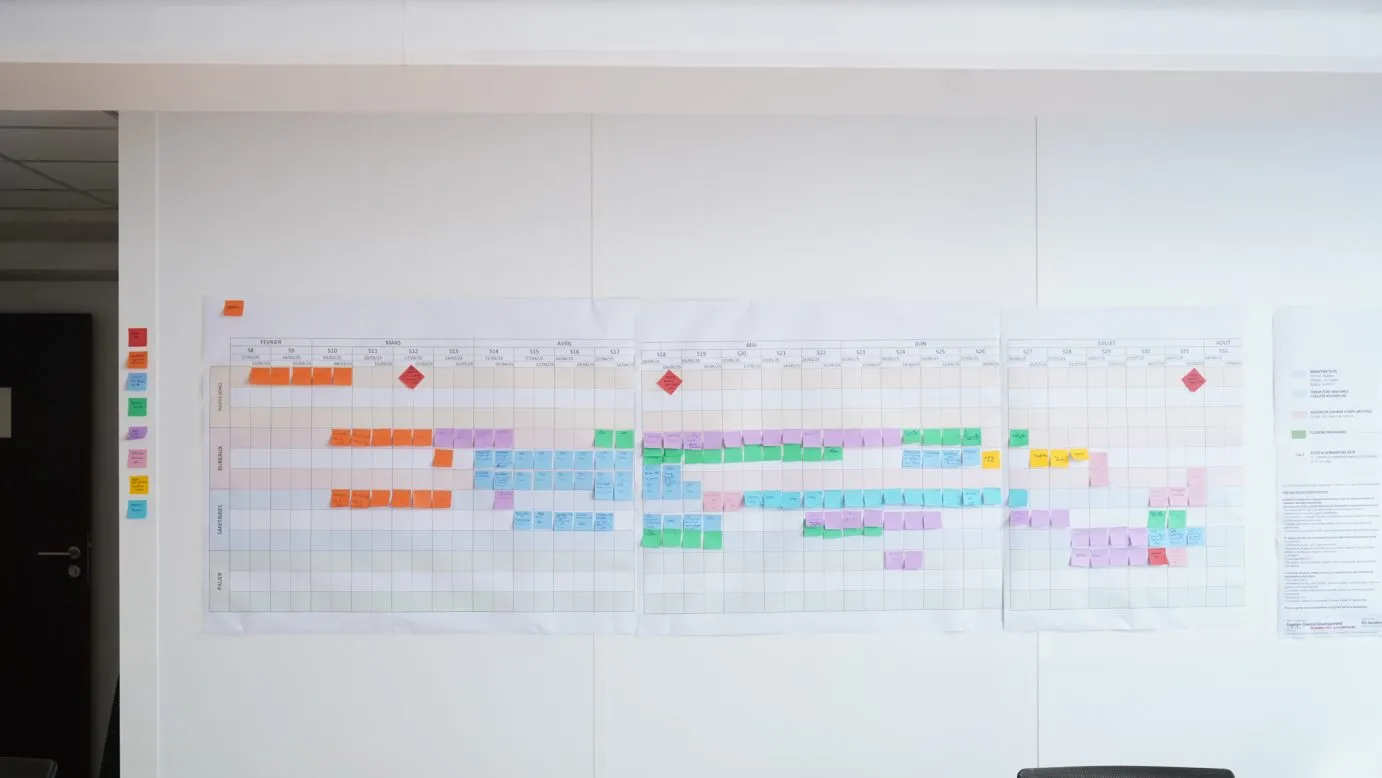
The variability of reused materials—regarding condition, quantities and refurbishment needs—requires high operational flexibility. To address this, setec opency implemented short coordination cycles, continuous stock monitoring and frequent short-term schedule adjustments.
This adaptive approach allows rapid response to uncertainties while maintaining objectives in terms of time, quality and environmental performance. Through Lean methods, decision-making processes are simplified, streamlined and shared across all stakeholders.
Despite the complexity of combining heavy refurbishment, constrained urban logistics and high environmental ambitions, reuse operations remain efficient, controlled and reliable.
Conclusion – Rethinking how we build
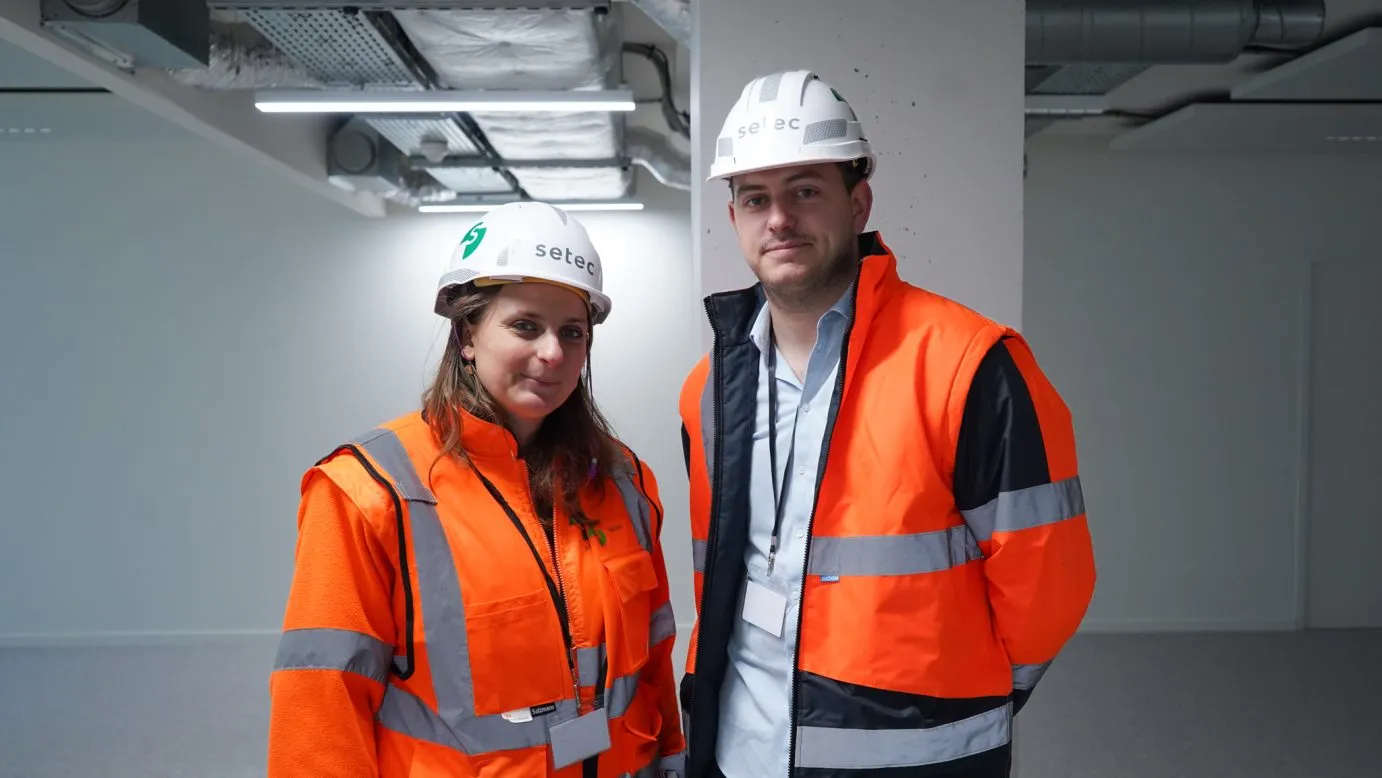
The 233 Cours Lafayette project demonstrates that reuse is not an add-on—it fundamentally transforms how large-scale tertiary projects are designed, planned and coordinated. Through its expertise in OPC, shared cost management and Lean Construction, setec opency supports BNP Paribas Asset Management, Alts in delivering a more efficient, controlled and environmentally aligned project.
The capabilities mobilized on this project—flow management, interface optimization, process structuring and risk control—are also part of a broader expertise that setec opency is developing within a dedicated ESG advisory offering, aimed at supporting clients in delivering more responsible, lower-impact and more sustainable construction projects.
MOA : BNP Paribas Asset Management
MOD : Sogelym Dixence
Architecte : SOHO ARCHITECTURE
Notes et références :
- Material reuse, as defined by article L.541-1-1 du Code de l’Environnement, of the French Environmental Code, refers to the use of an object that is not considered waste and is reused for its original purpose. It differs from reuse with modification and recycling, which involves material transformation. “In situ reuse” refers to materials reused on the same site, while “ex situ reuse” involves transferring materials to another site, sometimes after adaptation.
- The French Decree No. 2019-771 of July 23, 2019 (known as the “tertiary decree”) requires a progressive reduction in energy consumption in existing tertiary buildings: –40% by 2030, –50% by 2040 and –60% by 2050 compared to a reference year, typically 2010. This regulation structures the project’s energy strategy and aligns with its objective of achieving at least a 40% reduction by 2030.