en
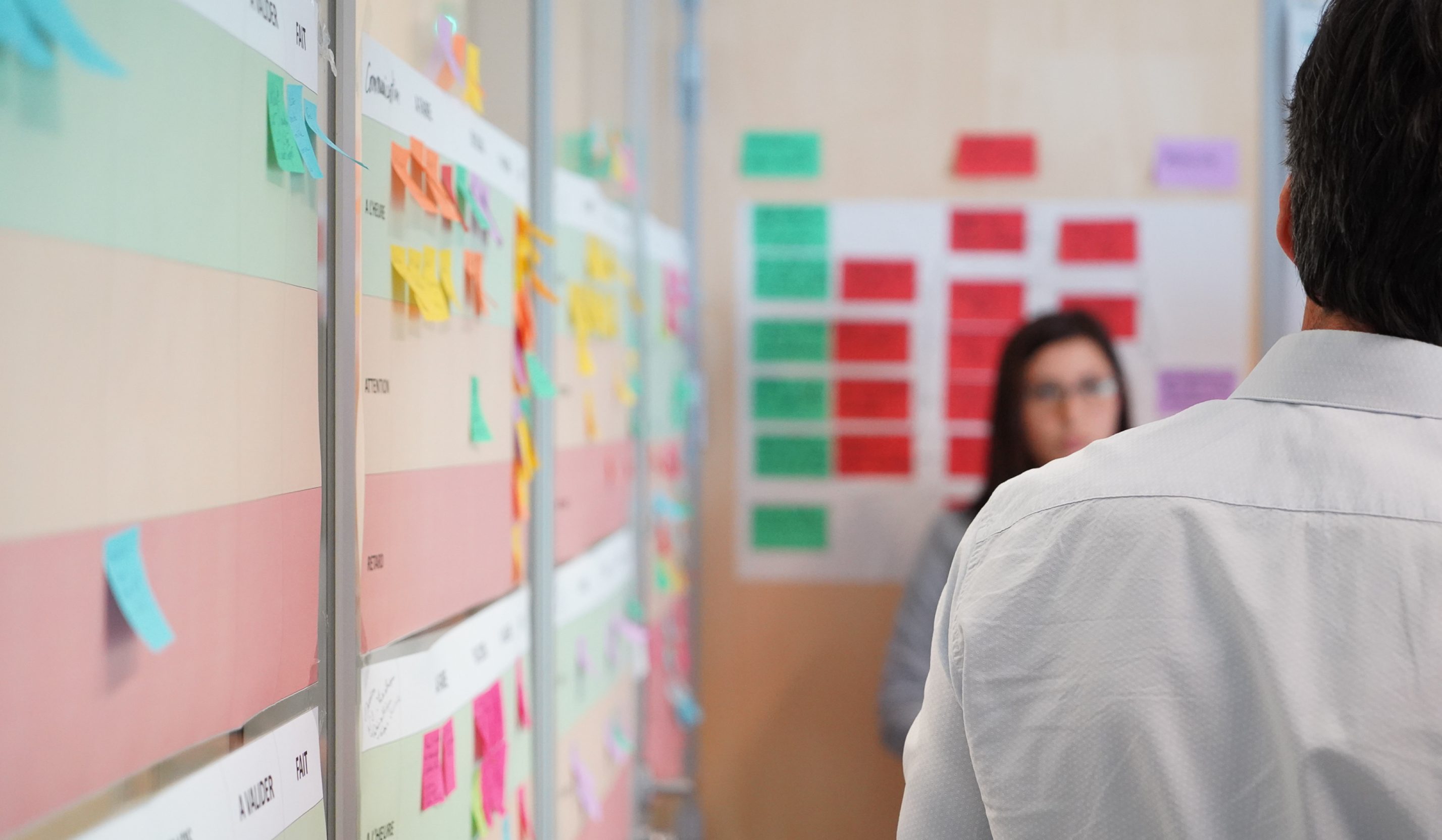
Lean Management is still all too often seen as a method for rapid optimisation or simply a set of tools. This view is overly simplistic. Lean is neither a shortcut to performance nor a project that is rolled out before moving on to something else. It is a learning discipline, deeply rooted in real-world work, which aims to serve customers better, support staff, develop teams’ skills and build sustainable, measurable and verifiable performance.
At setec opency, Lean is applied to complex projects involving significant technical, human and organisational challenges. In these contexts, it is never merely a superficial methodological veneer, but a structuring framework designed to stabilise workflows, make problems visible and enable teams to progress collectively.
What is Lean Management?
Lean Management is a management and continuous improvement approach that aims to create value for the customer by eliminating waste, identifying inefficiencies and developing teams’ skills, working as closely as possible with those on the ground.
The founding principle of Lean is simple yet demanding: without learning, there is no Lean. Tools are never an end in themselves. They serve to highlight the gaps between expected performance and operational reality, in order to address the root causes of problems.
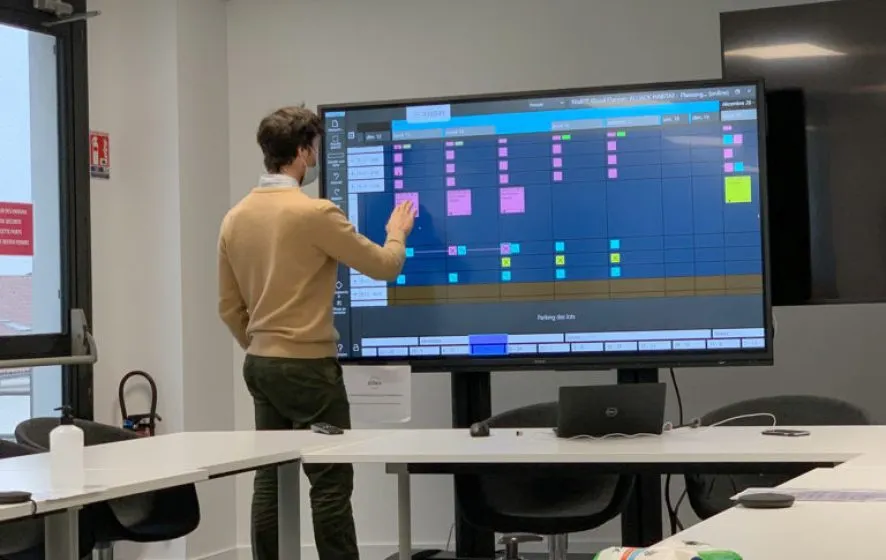
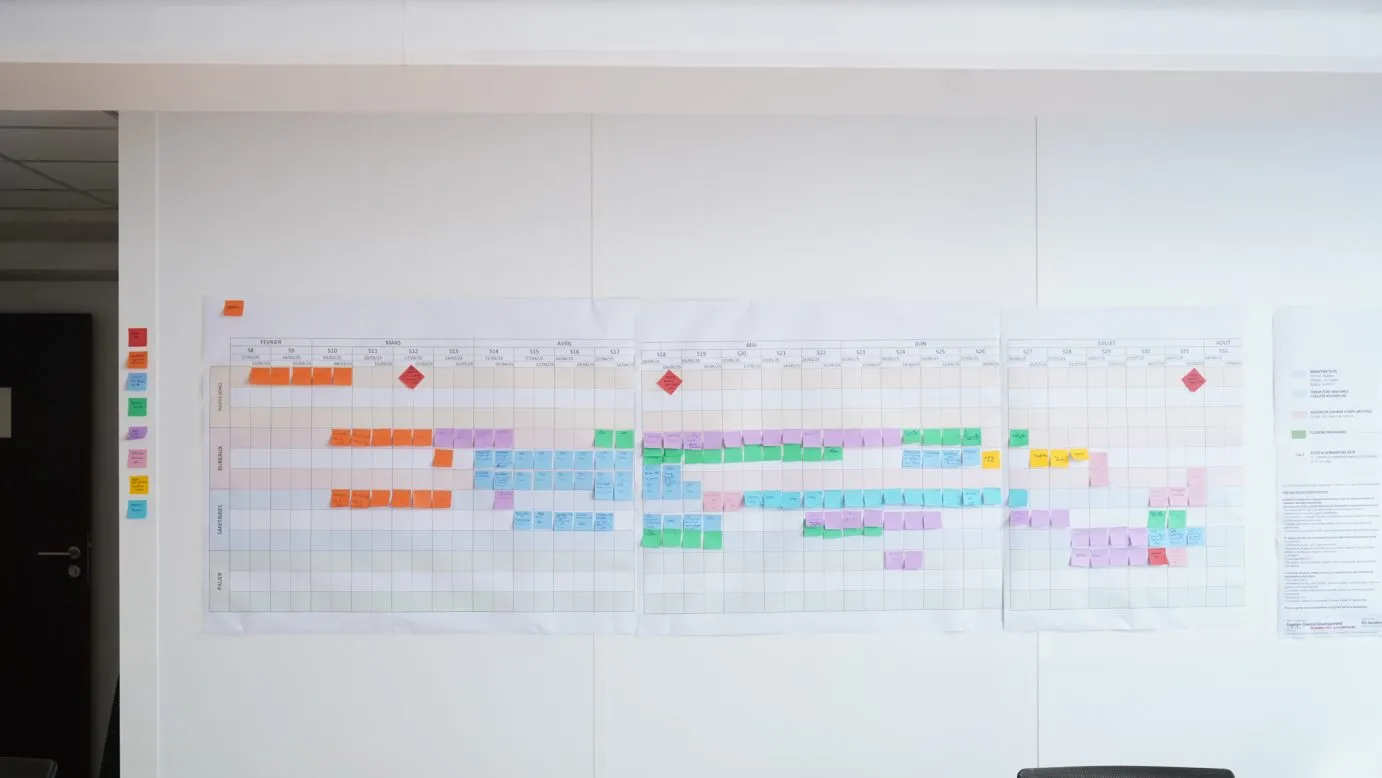
In projects led by setec opency, visual management, pull systems and Lean rituals are developed in collaboration with the teams. They provide a framework for management, facilitate coordination and ensure reliable decision-making, particularly in multi-stakeholder environments.
Lean as a driver of performance in complex projects
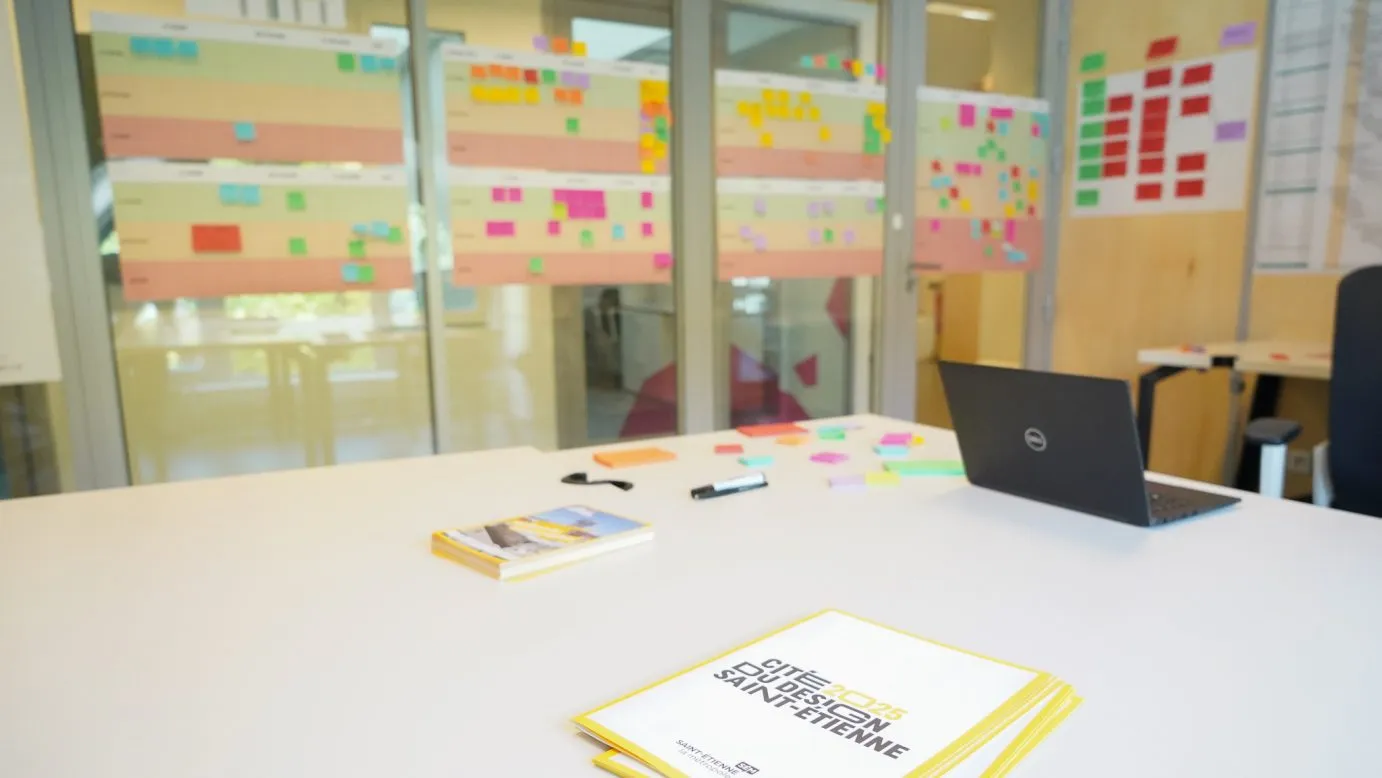
On large-scale projects, Lean proves its true value when used as a tool for management and coordination, rather than merely as a local optimisation process. It helps to establish a common language, clarify priorities and ensure effective coordination between stakeholders.
Client case study – Cité du design 2025, Saint-Étienne
As part of the ‘Cité du design 2025’ project, setec opency provided general OPC support to structure the overall management and roll out Lean and visual management methods from the early stages. This approach helped to streamline interfaces, ensure deadlines were met and strengthen the robustness of project management within a demanding multi-stakeholder environment.
This ability to structure collective performance lies at the heart of the Lean approach championed by setec opency. It enables us to move beyond a formal coordination model to establish a management system that is truly learning-oriented.
Lean: a long-term investment, not a short-term optimisation
In many organisations, problems are dealt with in a rush or simply sidestepped. Lean offers a radically different approach: viewing every malfunction as a learning opportunity… or, as one of our partners aptly puts it: ‘problems are the keys to hidden treasures’.
When a problem is identified, analysed and addressed at source, the benefits are immediate and long-lasting. Workflows become more stable, hidden costs are reduced and teams strengthen their ability to anticipate rather than simply react. This approach is particularly relevant in constrained industrial environments.
Case study – Aïre Wastewater Treatment Plant, Geneva
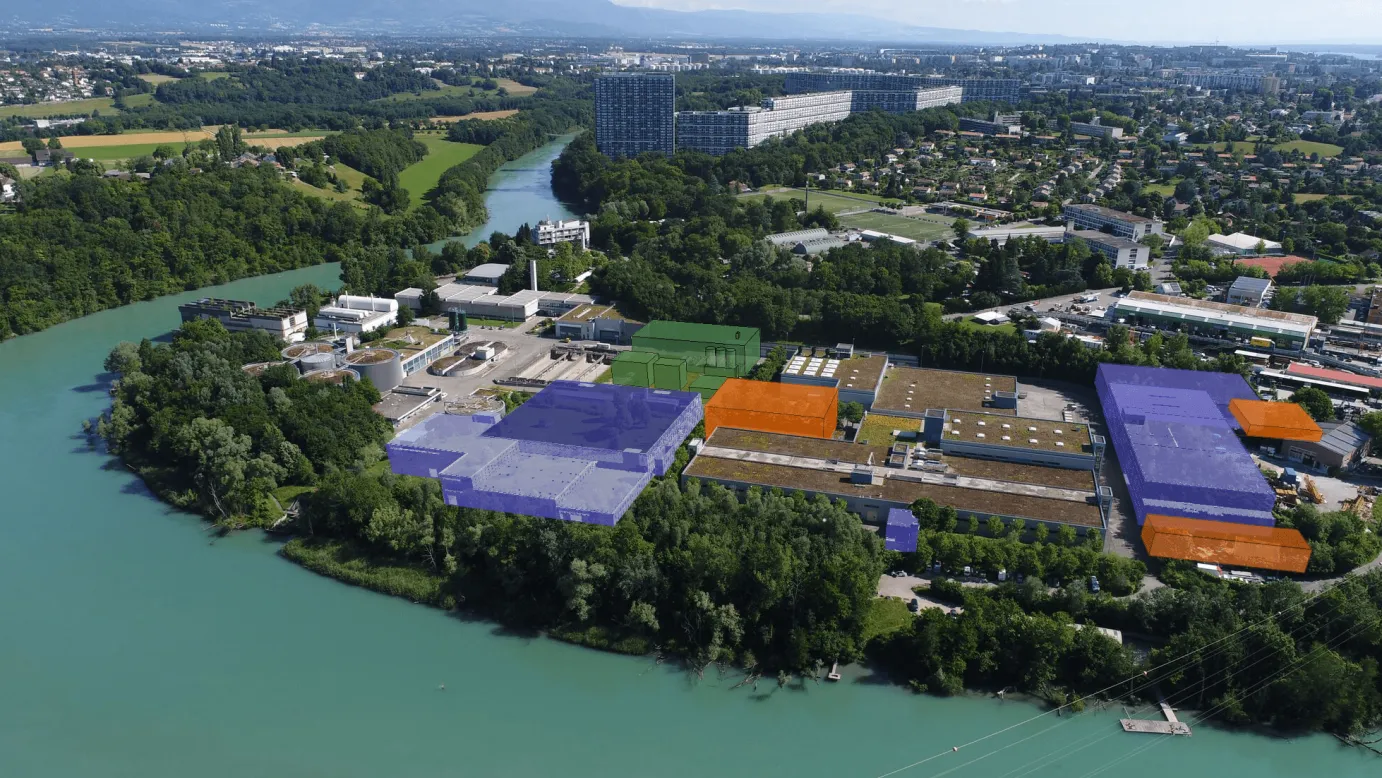
On the project to extend the Aïre Wastewater Treatment Plant, setec opency supported Services Industriels de Genève through Lean Construction initiatives, Yellow Belt training and collaborative project management tools. The Lean approach improved the coordination of design and construction work and ensured the smooth organisation of a complex construction project on a site that remained operational.
Why is Lean Management a sustainable approach?
The sustainability of Lean is based on a tried-and-tested framework, often represented by the ‘Lean Temple’.
Just-in-time involves producing only what is needed, when it is needed, in line with the customer’s actual demand. It limits overproduction and highlights imbalances and hidden problems.
Jidoka is based on the principle of quality at source: immediately detecting an anomaly and halting the process to address it, in order to prevent defects from spreading.
These two pillars rest on an essential operational foundation. Heijunka helps to smooth out activity and avoid fluctuations. Standardised work defines the best current method for carrying out a task, whilst ensuring safety, quality and adherence to deadlines. Kaizen establishes a culture of continuous improvement driven by the teams, based on issues encountered on the shop floor. The whole system is supported by a structured visual management system, which makes performance transparent and manageable on a day-to-day basis.
Developing a Lean culture: from projects to corporate governance
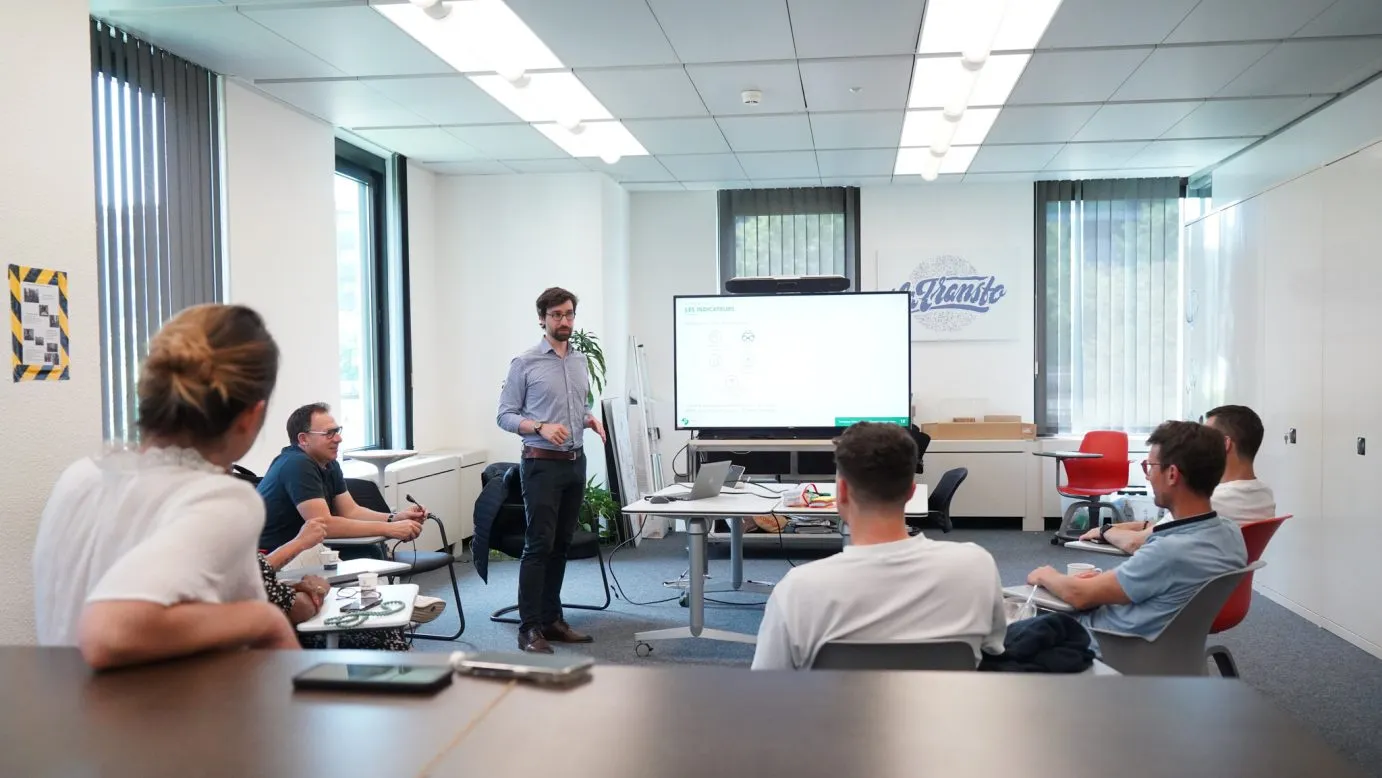
Moving beyond a project-based approach, Lean becomes a driver of transformation when it is implemented as a management system aimed at better understanding and delivering value to the customer, by developing skills through on-the-job learning and problem-solving, with a view to achieving sustainable performance.
Client case study – Services Industriels de Genève
As part of the ‘Responsible Performance’ programme, setec opency designed and rolled out a Lean training and support programme, ranging from White Belt to Black Belt, for all 1,800 SIG employees. This programme has helped to firmly embed a culture of continuous improvement and to establish common practices focused on quality, performance and commitment.
Case study – setec as
setec opency supported the management team at setec as in implementing a unifying Lean approach to develop a shared 2024 roadmap across the setec group’s cross-functional departments. This approach helped to minimise the impact on subsidiaries by providing a holistic view of actions, a risk analysis and a collective prioritisation of projects.
Lean Management and Quality of Working Life: a natural consequence
When properly implemented, Lean naturally has a positive impact on quality of life at work. By clarifying priorities, stabilising workflows and tackling irritants at source, it reduces work overload, fosters autonomy and restores a sense of purpose to day-to-day work. Quality of Life at Work then becomes a natural outcome, rather than just a slogan.
Lean is not a project; it is a way of working
Talking about a ‘Lean project’ is often a misnomer. Lean is, above all, a way of thinking, learning and working together, designed to be a long-term process. This is precisely what makes it a powerful driver of sustainable performance: it does not run out of steam, because it is based on the ability of men and women to make progress collectively.
Embark on a Lean transformation with setec opency
The case studies presented here illustrate setec opency’s ability to implement Lean both in complex projects and within large-scale organisations, including at the level of management and cross-functional governance, whilst maintaining a constant focus on results and sustainability.
If you wish to embark on a credible, people-centred and practical Lean approach, the teams at setec opency are here to support you in developing a strategy tailored to your operational and strategic challenges.