en
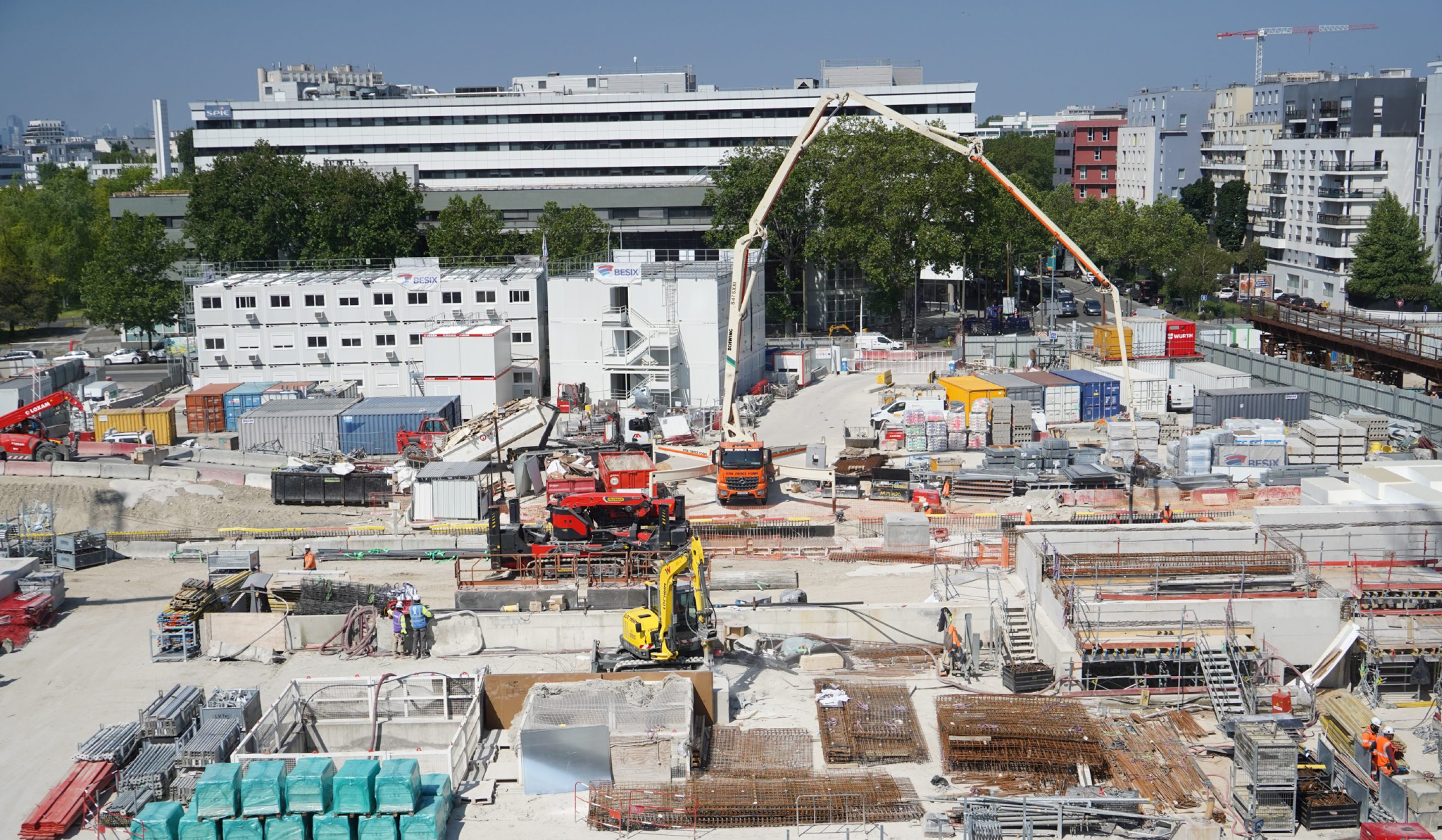
On a construction site, there are many expenses that are necessary for the smooth running of the project but cannot be attributed to any one contractor in particular. Site facilities, security, access control, waste management, water and electricity consumption, lifting equipment and site logistics all benefit all those involved.
The question is therefore not who uses these services, but how to finance, manage and allocate them fairly.
This is precisely the purpose of the prorata account, also known as the common expenses account. When well organised, it becomes a financial management tool for the client. If poorly planned, it can lead to budgetary overspending, disputes between contractors and a loss of clarity regarding the project’s costs.
For many years, setec opency has been supporting players in the construction sector with the creation, management and closure of these schemes. Its expertise enables what is often perceived as a purely administrative matter to be transformed into a genuine driver of operational and financial performance.
Understanding the role of a pro rata account

The pro rata account is based on a simple principle: pooling the costs that benefit all the companies working on the site.
Rather than setting up multiple individual facilities or contracts, the contractors collectively fund shared resources. This approach promotes economies of scale, improves the organisation of the works, encourages all parties to take care of the equipment provided and minimises duplication.
The expenses involved can cover a wide range of areas: site accommodation, offices or workers’ quarters and their fittings, security, fencing, cleaning, waste management, logistics, signage, surveillance, access control, shared utilities and even temporary equipment required to carry out the works.
Funding is then provided in accordance with contractually defined rules. Each company contributes to the expenditure based on a pre-established allocation mechanism approved by the client, ensuring a fair contribution in line with its contract.
This arrangement provides greater transparency regarding shared costs whilst ensuring the conditions for their funding are secure.
It all begins before the building site opens
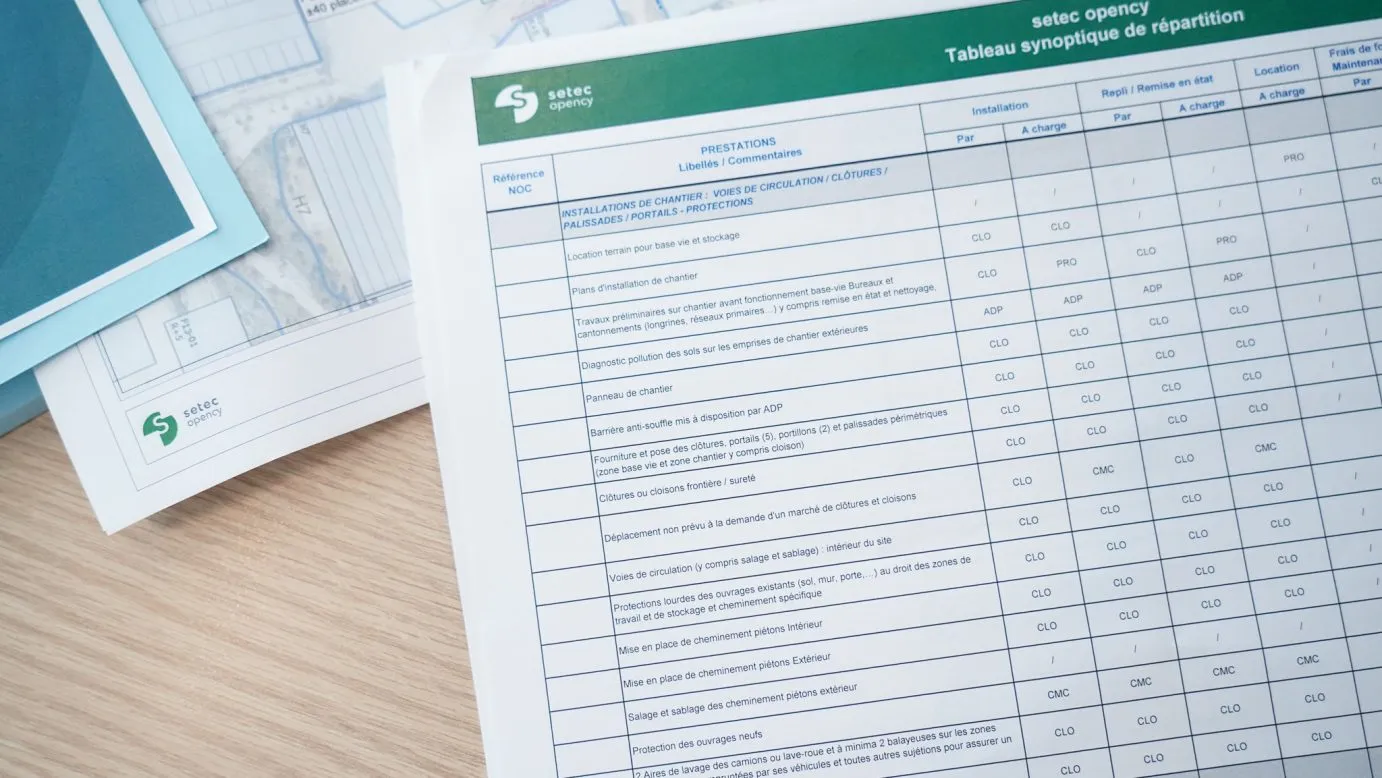
The success of a pro-rata account depends largely on the quality of the preparatory work carried out.
Right from the project’s design stages, setec opency gets involved to identify the collective needs of the project and develop the future management framework. The teams help draw up the management regulations, define the funding arrangements, produce overview tables (setting out who does what and at whose expense) and draw up the provisional budget for shared expenditure. This phase is essential.
It enables the operating rules to be incorporated directly into the contractual documents. This gives companies a clear picture of the shared services, the expected terms of participation and the allocation principles that will apply throughout the duration of the project.
This formalisation significantly reduces the likelihood of future disputes and helps to secure the financial trajectory of the project from the outset.
Establish an independent management structure

Once the contracts have been awarded, the management of the account must be organised within a robust and transparent framework.
setec opency establishes a dedicated structure in the form of an Association for the Management of Shared Expenditure (A.C.D.C.), a non-profit organisation under the 1901 Act, handles the necessary administrative formalities and opens the bank account into which the companies’ contributions are to be paid. This structure offers a major advantage: it guarantees the independence of the management from the contractors.
For the project owner, this means impartial administration of expenditure and clearly defined governance. For the contractors, it provides a secure and transparent framework for monitoring shared costs.
Managing day-to-day expenditure

Contrary to popular belief, managing a pro rata account is not merely an accounting task.
It requires financial, technical, administrative, managerial and operational skills throughout the duration of the project.
The setec opency teams handle supplier enquiries, tender analysis, order preparation, monitoring of services provided and control of expenditure incurred. Every invoice is checked before payment and every commitment is made in accordance with the pre-approved budget.
Furthermore, the setec opency teams work on-site to obtain quotations, verify that work is carried out correctly and manage the contractors deployed on site.
Funds are called up from contractors in accordance with the rules established at the start of the project. Receipts, payments, bank reconciliations and accounting monitoring are subject to ongoing checks, ensuring a precise overview of the account’s financial position.
This ongoing management provides project owners with reliable visibility of changes in shared expenditure and facilitates decision-making throughout the project.
Ensuring complete transparency amongst stakeholders
Trust is one of the cornerstones of a successful pro-rata account.
For this reason, setec opency relies on a structured governance framework involving company representatives through a Supervisory Committee. This committee monitors expenditure trends, approves additional investments and oversees the management of the scheme.
Companies are thus provided with regular updates on commitments made, expenditure incurred and the cash position. This transparency reduces the risk of disputes, facilitates acceptance of collective decisions and helps to maintain a climate of trust amongst all stakeholders.
For project owners, this traceability also provides an important safeguard in terms of monitoring and justifying the expenditure incurred.
Expertise integrated into the overall management of the construction site
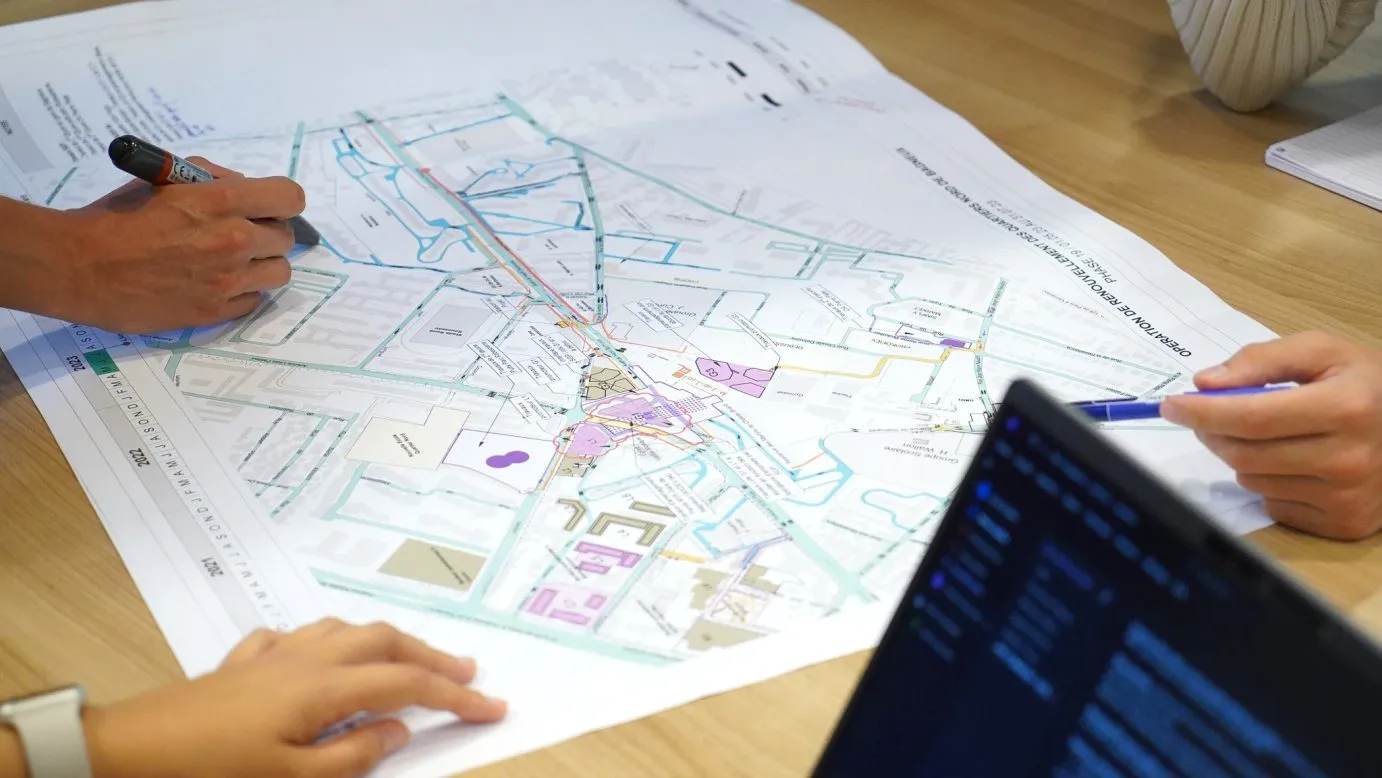
The added value of setec opency lies not only in its expertise in financial mechanisms.
The company also has a strong operational culture stemming from its experience in managing and coordinating construction sites.
Decisions regarding shared expenditure are directly linked to the site organisation assumptions, logistical requirements and operational constraints identified as early as the preparatory phases. This holistic approach enables the creation of more realistic budgets and the optimisation of shared resources.
The expertise developed in waste management, monitoring consumption and optimising shared facilities also enables us to support clients’ environmental ambitions. Several projects have therefore incorporated monitoring systems to facilitate the measurement of consumption, the recovery of waste and the improvement of the environmental performance of site facilities.
Close the account with the same care as when it was opened
The quality of a project is also measured by its ability to be brought to a clear and unambiguous close.
At the end of the project, setec opency draws up the final accounts, prepares the discharge certificates for the contractors, processes any refunds of overpayments and sees through the administrative formalities required to close the scheme.
This control over the entire cycle ensures perfect consistency between the initial budgetary assumptions, the expenditure actually incurred and the accounts presented at the end of the project.
Expertise that ensures the security of property transactions

Long regarded as a mere administrative requirement, the pro rata account is now a genuine financial management tool.
When designed methodically, managed rigorously and monitored transparently, it enables shared costs to be controlled, the risk of disputes to be reduced and the overall performance of the project to be improved.
This is the vision championed by setec opency. Its expertise is built on practical experience, an understanding of financial mechanisms and a command of the operational challenges involved in complex construction projects. For project owners, procurement departments and finance departments, it provides a practical means of safeguarding operations whilst optimising the use of shared resources.