en

‘On a building site, time isn’t wasted. It becomes disorganised.’
A construction site doesn’t fall behind overnight. It drags on, becomes strained, and loses its clarity. A task that runs over time, an area occupied for longer than planned, a decision that is delayed. Nothing spectacular. Yet, within a few weeks, the initial schedule becomes difficult to maintain.
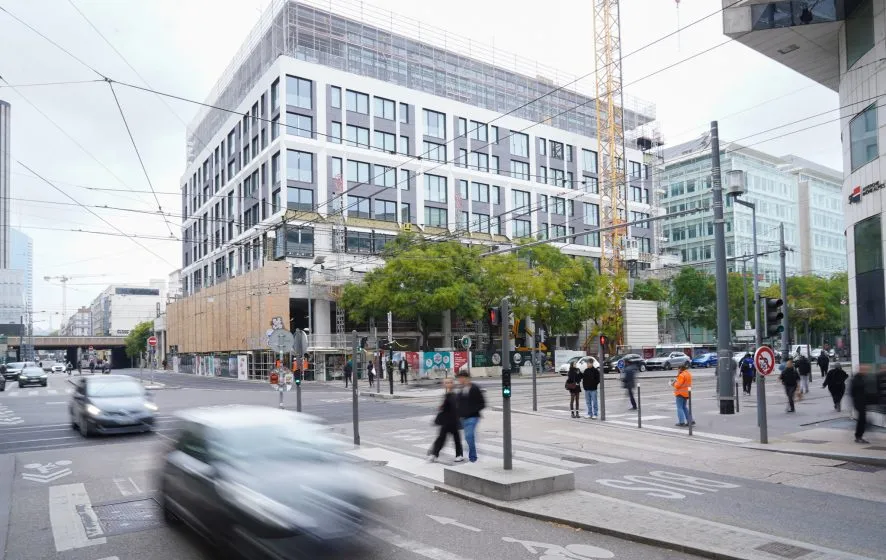
In complex projects, this dynamic is amplified. Urban density, high levels of concurrent activity, stringent contractual requirements, multiple interfaces. The construction site no longer resembles an orderly sequence of tasks. It becomes an interdependent system, where every delay ripples through.
This observation holds true on a large scale. An analysis of 480 infrastructure projects worldwide shows that nearly 70 per cent of projects experience delays, with some falling well behind the initial schedule. These delays stem mainly from shortcomings in the management and monitoring of planning and coordination, rather than from technical difficulties.
It is against this backdrop that the OPC role has established itself as a key structural function. It does not simply involve drawing up a schedule. It involves making the project feasible and keeping it under control. At setec opency, this approach is based on a simple conviction: a project’s success depends first and foremost on its organisation.
But in practical terms:
- What is the OPC’s actual role?
- How can an effective project be structured?
- Why does anticipating interfaces change the dynamics of a project?
This article offers a practical insight into the OPC role, from its scope to its actual impact on project performance.
1. The OPC role: a key part of managing project complexity
1.1 Scope: key to operational success
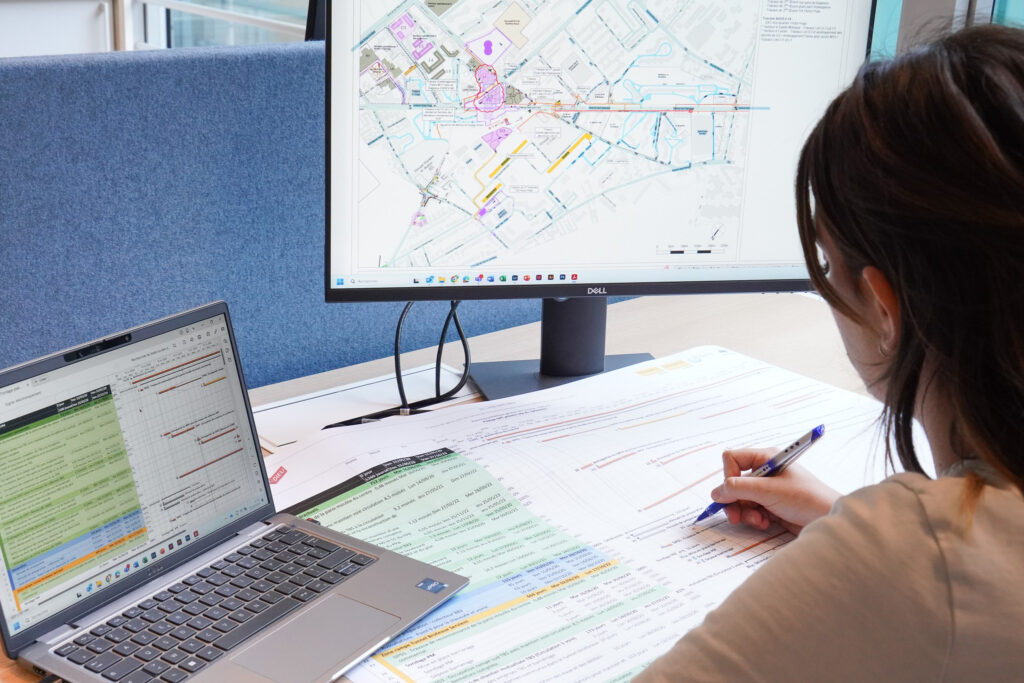
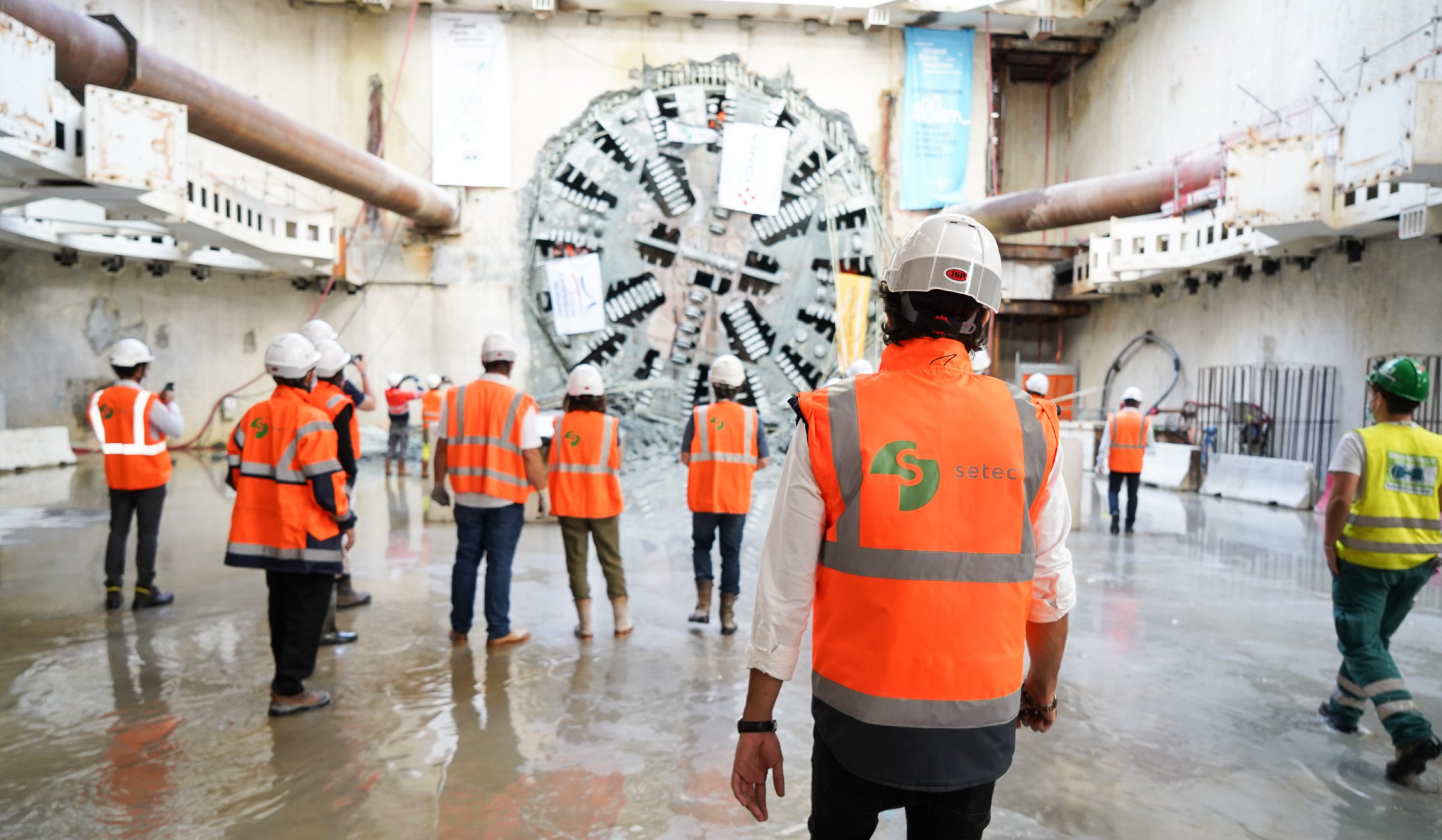
The OPC’s remit covers the entire project cycle, from the design phase through to the tendering process for construction contractors, and from the detailed design stage right through to final handover. It aims to organise the project’s timeline, coordinate the work of the various stakeholders and manage progress to ensure contractual deadlines are met.
It provides the backbone of the construction site: it transforms a sequence of technical tasks into a controlled, shared and transparent process that is clear to all. This approach is all the more crucial given that every phasing decision, every sequence of tasks and every prioritisation choice can have a direct impact on the overall performance of the project.
Example: on a project involving an occupied site, the project manager can organise the phasing of the works to maintain the building’s operations, schedule the most sensitive works at suitable times and ensure delivery milestones are met without disrupting operations.
1.2 A cross-functional role serving all stakeholders
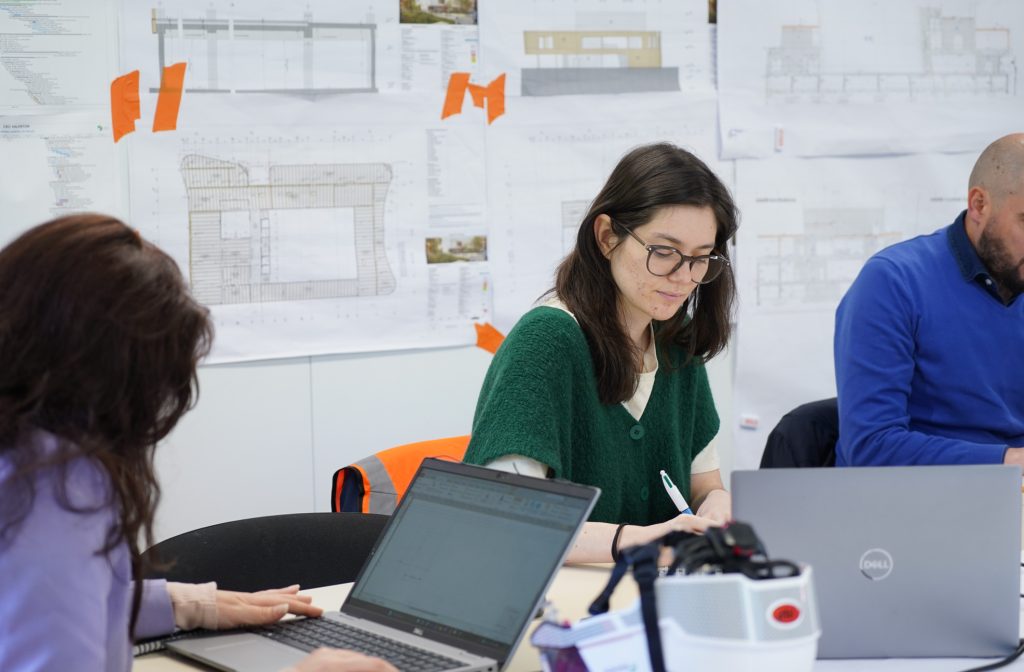
An effective OPC mission connects all stakeholders: project owners, project managers, contractors, concessionaires and operators. Its role is to create the conditions for ongoing operational dialogue between these stakeholders, whose constraints, timelines and priorities are not always aligned. By structuring communication and making information clearer, the OPC helps to ensure sound decision-making and maintain a collective focus on the project’s objectives.
Example: when a concessionaire needs to carry out work before a structural or finishing contractor, the OPC ensures the correct sequence of works, shares each party’s constraints and prevents an interface delay from bringing the entire sequence to a standstill.
2. Why OPC has become a strategic tool for project owners
2.1 Increasingly complex projects
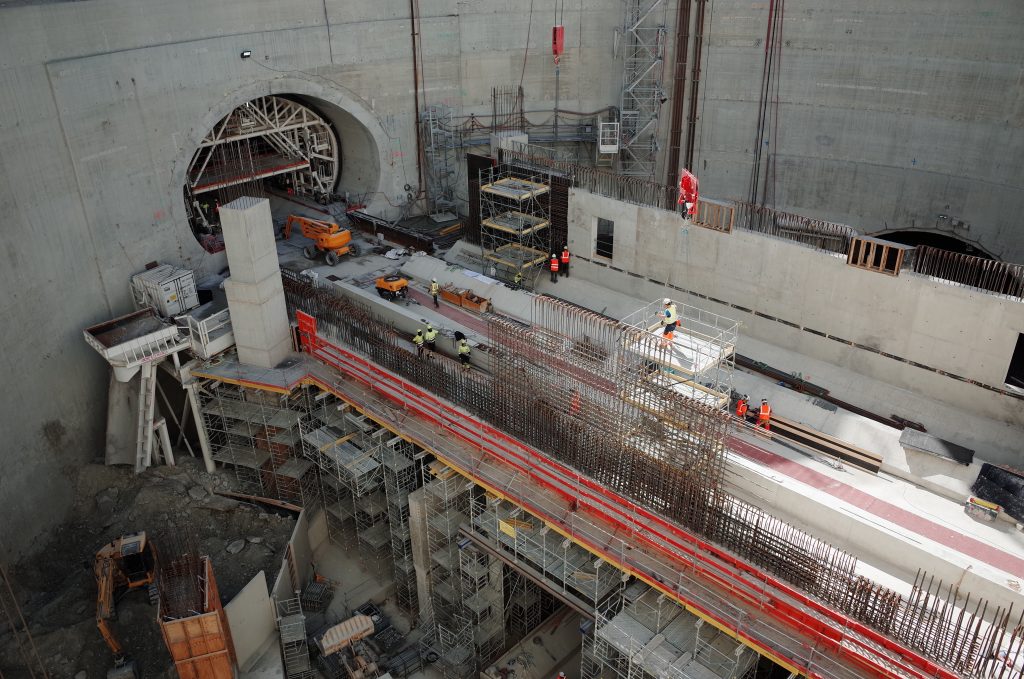
Current projects involve a combination of several risk factors: an increasing number of stakeholders, significant overlap between works packages, urban, environmental or operational constraints, and heightened contractual requirements. These factors do not simply add up: they interact with one another and can rapidly destabilise the balance of the construction site. In this context, spontaneous coordination between stakeholders is no longer sufficient. The project requires a management framework capable of anticipating interdependencies, prioritising tasks and maintaining overall coherence.
Example: in a densely built-up neighbourhood, a delivery of materials, roadworks and a restriction on access for local residents may overlap; the OPC then enables these constraints to be organised to prevent them from causing an operational deadlock.
2.2 A direct impact on timelines, costs and risks
A structured OPC project enables deadlines to be safeguarded by managing critical sequences, minimising cost overruns caused by disorganisation, and reducing the contractual risks associated with delays. For the project owner, this value is measured in terms of the ability to maintain a clear overview of progress, to make objective trade-offs and to intervene before deviations become irreversible. The OPC thus becomes a tool for the comprehensive management of project performance, at the intersection of the schedule, the resources deployed and risk management.
Example: when a delay in a technical package threatens a handover date, the OPC enables the impacts to be objectively assessed, a realistic adjustment to the schedule to be proposed, and priorities to be weighed up in order to limit cost overruns and contractual risks.
2.3 An enhanced role in complex operations
On projects involving occupied sites, in dense urban environments or characterised by several simultaneous operations, the OPC – and in particular the OPC-IC – plays a decisive role in managing interfaces. It enables the management of multiple interactions between stakeholders, the coordination of workflows and the avoidance of conflicts of use that can hinder progress. In such contexts, the construction site can no longer be regarded as a mere collection of technical work packages: it must be organised as an integrated system, capable of functioning despite significant constraints.
Example: on a project combining refurbishment, extension and the continuation of operations, the OPC can coordinate the construction zones, temporary access routes, emergency exits and contractors’ work to ensure business continuity.
3. How to structure an OPC project to ensure deadlines are met
3.1 Defining a planning strategy from the design stage
A successful project management assignment begins early on, right from the initial design phases. It is at this stage that technical and organisational constraints are analysed, key milestones are defined and the overall phasing is structured. This forward planning enables a realistic timeline to be established even before work commences, by incorporating major constraints rather than discovering them as the project progresses. The quality of the initial schedule therefore determines the robustness of the project.
Example: from the design stage of a public facility, the project management organisation (PMO) can identify critical periods, such as utility connections or technical trials, so that these can be incorporated into the schedule before the tender process begins.
3.2 Drawing up a genuinely workable schedule
An effective schedule must be shared by all stakeholders, consistent with working methods and adaptable to unforeseen circumstances. It is not merely a reference document, but a dynamic tool, designed to support decision-making and ensure the smooth progression of work. To be truly workable, it must be based on a realistic sequence of events, incorporate interface constraints and maintain a dynamic view of the project. It is this ability to combine precision, clarity and adaptability that makes it a collective decision-making tool.
Example: a truly usable schedule distinguishes between contractual milestones, dependencies between work packages, approval times and adjustment margins, so that each stakeholder knows not only when to act, but also what their action depends on.
3.3 Establishing effective project management rituals

OPC management relies on structured timeframes: coordination meetings, regular progress updates, and monitoring of milestones and indicators. These routines are not merely reporting meetings. They enable a shared understanding of progress to be established, allow deviations to be detected early, facilitate rapid decision-making and enable course corrections when site conditions change. Their effectiveness depends on their ability to transform information from the field into concrete actions.
Example: during a weekly OPC meeting, an issue causing a bottleneck in a work area can be immediately translated into a time-bound action, assigned to a manager and monitored until resolved at the next meeting.
3.4 Continuous risk management
An effective OPC function incorporates risk identification, monitoring of early warning signs and the implementation of corrective actions. This continuous vigilance enables a shift from a reactive approach to one of anticipation. The OPC’s role is not to record delays once they are already apparent, but to identify areas of tension early enough to propose adjustments, safeguard milestones and keep the project on track.
Example: if several early warning signs appear on a critical work package (delays in validation, insufficient resources, uncertain supplies), the Project Management Officer can trigger an action plan before the delay becomes apparent in the overall schedule.
4. A real-life example: Notre-Dame de Paris – when coordination makes all the difference
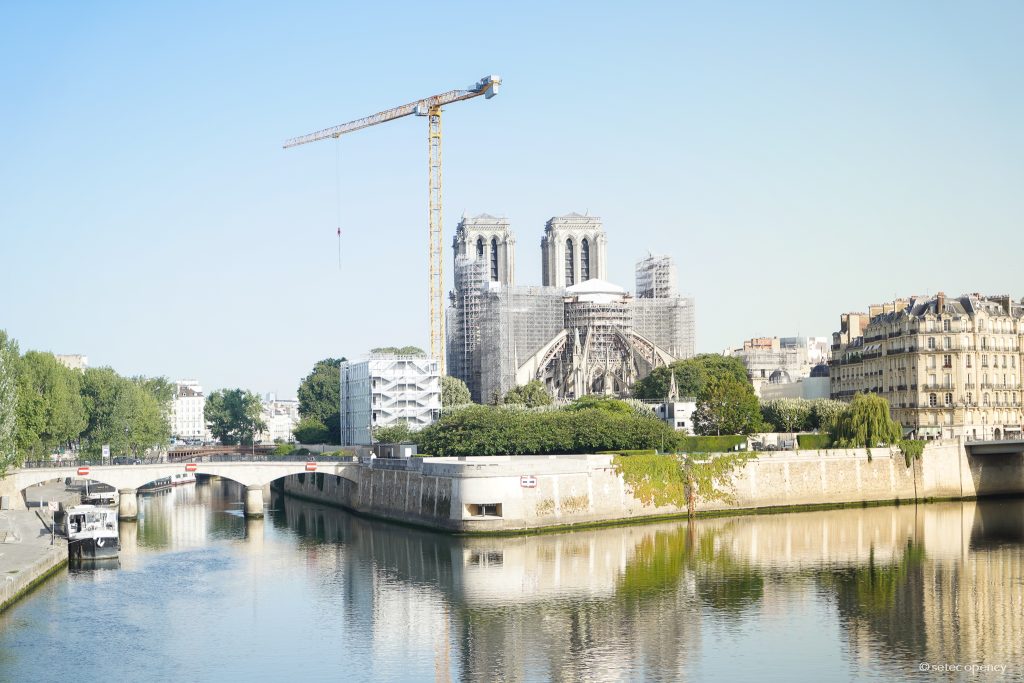
The Notre-Dame de Paris restoration project is a prime example of what structured coordination can achieve on an extraordinary project. More than 250 companies and workshops were mobilised, working to an extremely tight schedule and in a highly sensitive environment in the heart of the city. In such a context, success does not depend solely on the technical excellence of those involved. It also relies on the ability to organise the work, ensure clear lines of communication and maintain a collective pace despite the project’s complexity.
In this context, setec opency undertook the role of project management consultant (OPC) and overall coordinator. The result speaks for itself: adherence to the schedule set from the outset, cost control and operational continuity despite unforeseen events. This achievement is not due to a lack of constraints, but to exceptional organisation: coordination of workflows and stakeholders, the implementation of a collaborative schedule, anticipation of contingencies and a Lean approach to improve coordination. It fully illustrates the value of a project management (OPC) role when it is conceived as a collective steering mechanism.
The Court of Auditors also emphasises that effective coordination and organisational resilience were decisive factors in the project’s success. The cathedral reopened for worship on 8 December 2024, in line with the President’s objective. Despite unforeseen issues, such as structural defects discovered in the south belfry, the project owner and its partners were able to respond effectively, thereby minimising the impact and ensuring operational continuity.
NOTRE-DAME DE PARIS: AN EXEMPLARY CONSTRUCTION PROJECT AND THE KEY ROLE OF SETEC OPENCY
5. Why anticipating interfaces changes everything
5.1 Interfaces: the primary source of cost overruns
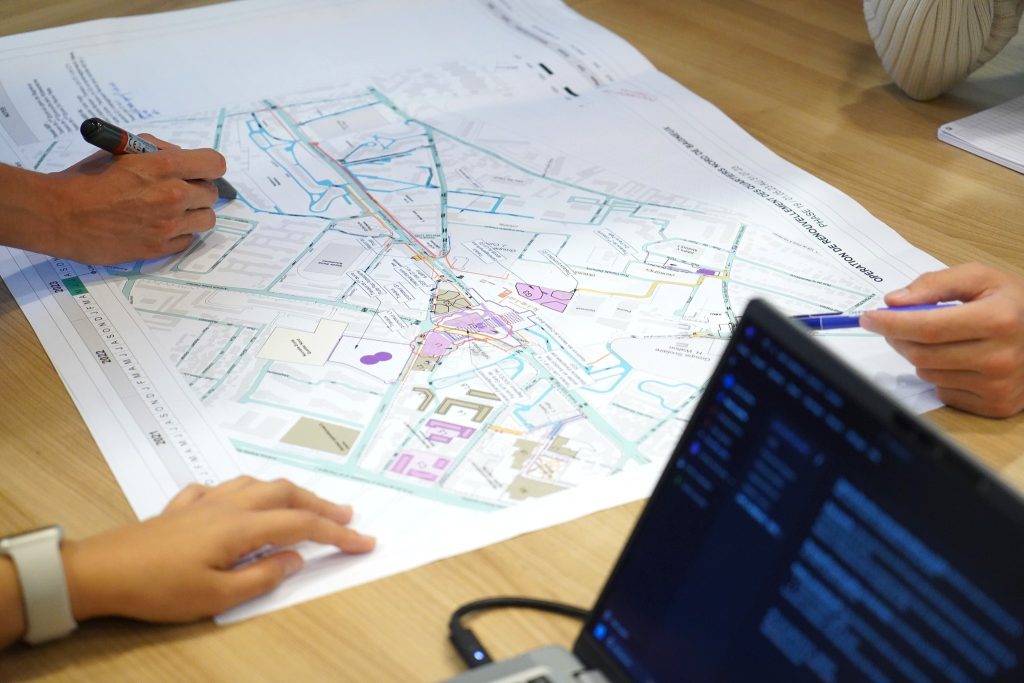
In the majority of projects, delays stem from conflicts between work packages, poorly anticipated sequences of work or poorly managed dependencies. These situations have one thing in common: they often arise at interfaces, where responsibilities overlap, constraints intersect and decisions must be synchronised. A poorly identified interface can quickly become a bottleneck, subsequently affecting the entire schedule.
Example: an unapproved service duct, a missing reservation or an inaccessible area can delay several subsequent trades; the project manager identifies these critical interfaces to prevent a local issue from becoming a project-wide delay.
5.2 Planning ahead from the design phase
Involving the OPC at an early stage enables critical issues to be identified, the compatibility of technical solutions to be verified and the sequence of works to be organised. This early involvement gives the project a vital ability to plan ahead: difficulties are no longer discovered only when they bring the site to a standstill, but are analysed early enough to be addressed within the overall organisation of the project. This is one of the most effective ways of ensuring the smooth running of the construction phases.
Example: during the design phase, the project manager can highlight any incompatibility between a technical choice, a lead time for supplies and a planned sequence of works, and then propose an alternative phasing plan before work commences.
5.3 Organising concurrent works during the construction phase
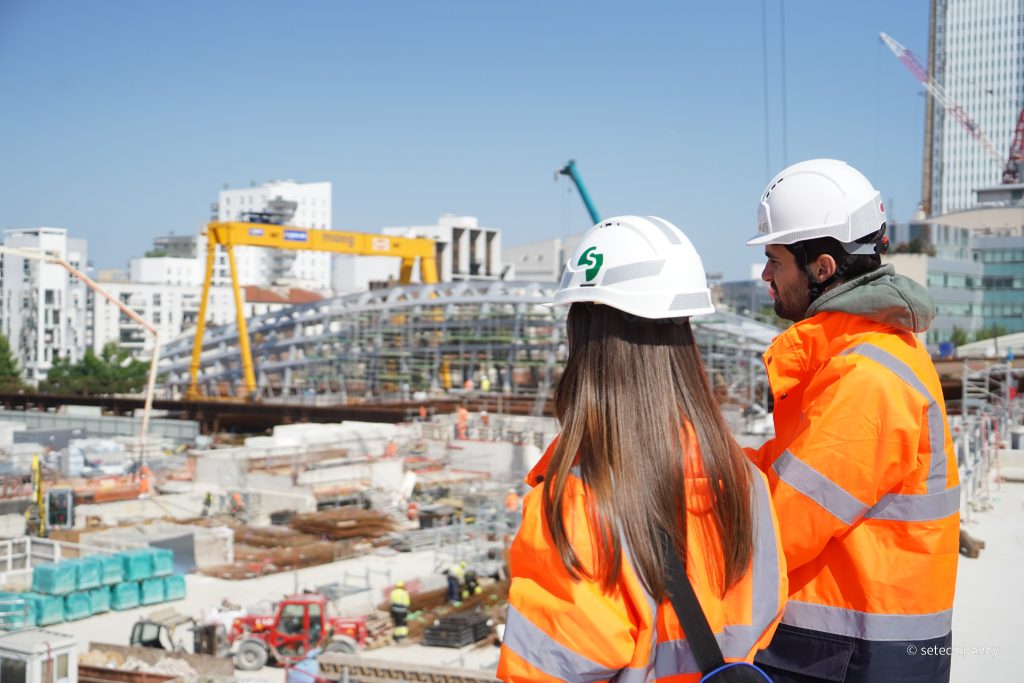
Once the project has commenced, the project management organisation (OPC) enables the co-ordination of activities in terms of time and space, the management of work zones and traffic flows, and the prioritisation of tasks. This organisation is essential for transforming concurrent activities into a controlled process. When several contractors are working simultaneously, performance depends not only on the quality of each individual task, but also on their ability to follow on from one another without hindering each other. The aim is therefore to make simultaneous works a factor in efficiency, rather than an imposed constraint.
Example: within the same area, the project manager can organise the sequence of works – including partitioning, networking, finishing and testing – to prevent different contractors from getting in each other’s way or having to redo work that has already been completed.
5.4 A direct impact on project performance
Anticipating interfaces has a direct impact on project performance by addressing, at an early stage, several recurring causes of delay: poorly managed dependencies, fragile sequences and late decisions. By identifying these points of friction before they become showstoppers, the project management team helps to minimise rework, streamline concurrent activities and maintain the overall continuity of the project. The project thus gains in clarity and stability: it is no longer merely monitored, but genuinely managed, with an enhanced capacity to absorb unforeseen events without losing its operational coherence.
Example: when a supply delay threatens a critical sequence, the OPC can reorganise the sequences, mobilise alternative areas or adjust priorities to maintain the overall momentum of the site.
Conclusion
The OPC’s role is not limited to drawing up and monitoring a schedule. It constitutes a strategic management framework, capable of structuring the project’s organisation, coordinating stakeholders effectively, anticipating deviations and ensuring that deadlines and commitments are met. In a context where the majority of projects face delays due to organisational issues, the OPC provides a direct and operational solution. It is precisely this standard that setec opency has upheld for over 50 years, working alongside clients and project teams on some of the largest, most sensitive and most complex projects. Carrying out an effective OPC assignment means drawing on a proven methodology, a hands-on approach and the ability to transform complexity into a controlled process. It also means choosing a partner capable of organising, coordinating and ensuring the actual conditions necessary for the project’s success.