en
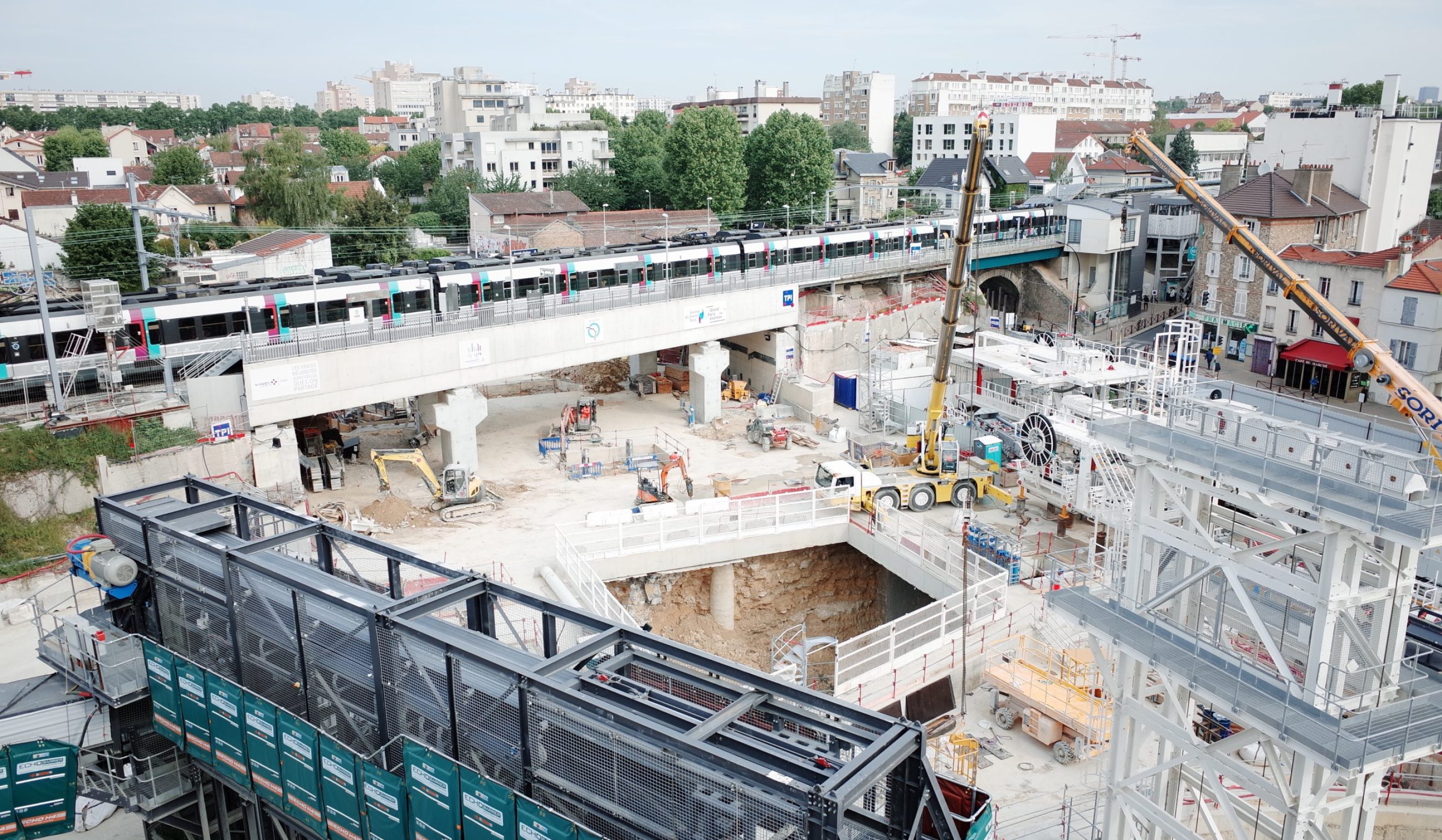
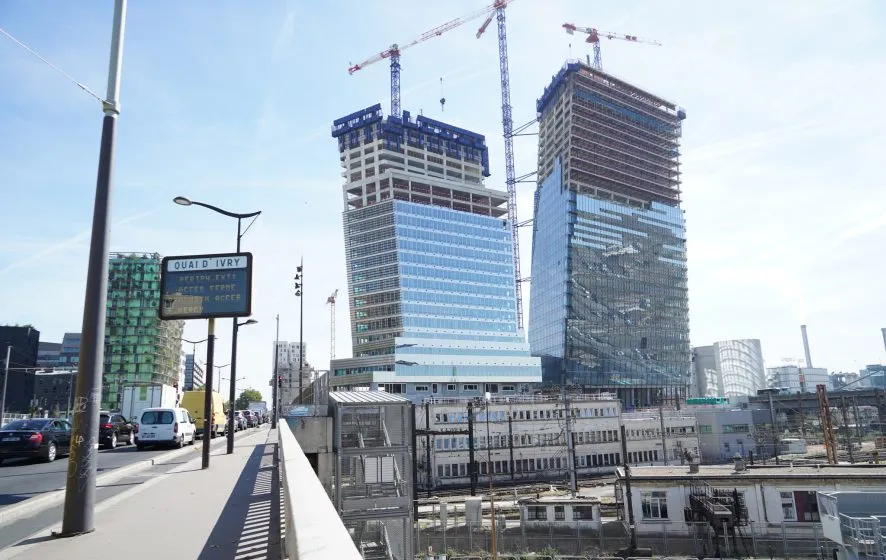
Construction sites under strain, exasperated local residents, companies under pressure, environmental targets that are difficult to meet: construction and development projects today are fraught with numerous points of friction. Against a backdrop of increasingly stringent regulatory, societal and environmental requirements, the promise of construction sites that are peaceful, efficient and sustainable remains, all too often, a difficult goal to achieve.
From the planning stage right through to the construction site, the same issues keep cropping up: CSR ambitions that are insufficiently formalised, requirements that are poorly set out in contracts, unclear governance, a lack of oversight and difficulty in measuring the actual impacts. These issues do not stem from a lack of goodwill on the part of those involved, but from a failure to establish a collective structure and to plan ahead at every stage of the project, involving the client, the project manager and the contractors alike.
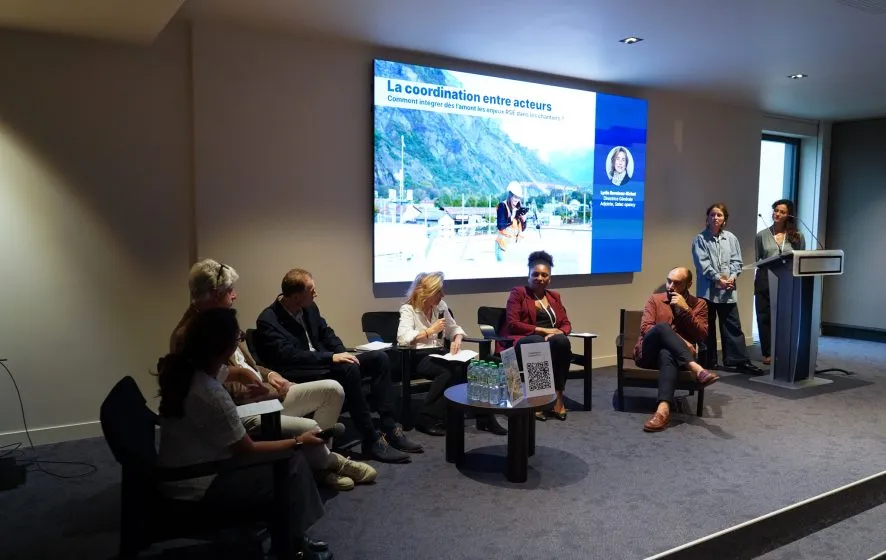
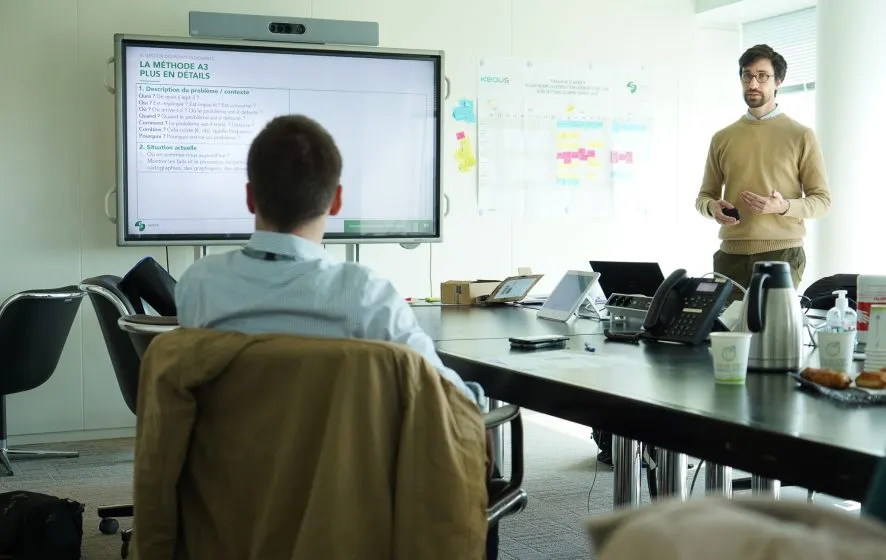
Drawing on feedback from the field and as part of a workshop entitled ‘Governance and Coordination for Peaceful and Sustainable Construction Sites’, setec opency and Paris&Co have identified 12 major obstacles that hinder the implementation of truly peaceful and sustainable construction sites, before, during and after the works. Their analysis highlights a key lever that is still underutilised: CSR Project Owner Support, which can help secure objectives, structure requirements and provide long-term support to all stakeholders throughout the project’s lifecycle.
Before work begins
The preliminary phase has revealed several major sticking points, relating mainly to planning, the formalisation of requirements and the structuring of responsibilities, in which the client and the project manager are heavily involved.
1. The ‘low-impact construction site charter’: a contract clause perceived as secondary
Another key source of frustration relates directly to the way in which environmental and social requirements are incorporated into tender documents. At present, the use of a ‘low-impact construction site charter’ presents a significant limitation: this document is often perceived as secondary, not particularly binding and insufficiently actionable by contractors. The terminology itself is at issue, as the term ‘charter’ is not sufficiently prescriptive. This poses a challenge for the client, who is unable to enforce their ambitions, and for the project manager, who must then translate vague guidelines into operational requirements.
2. Insufficient integration of CSR requirements for construction sites into the contract documents
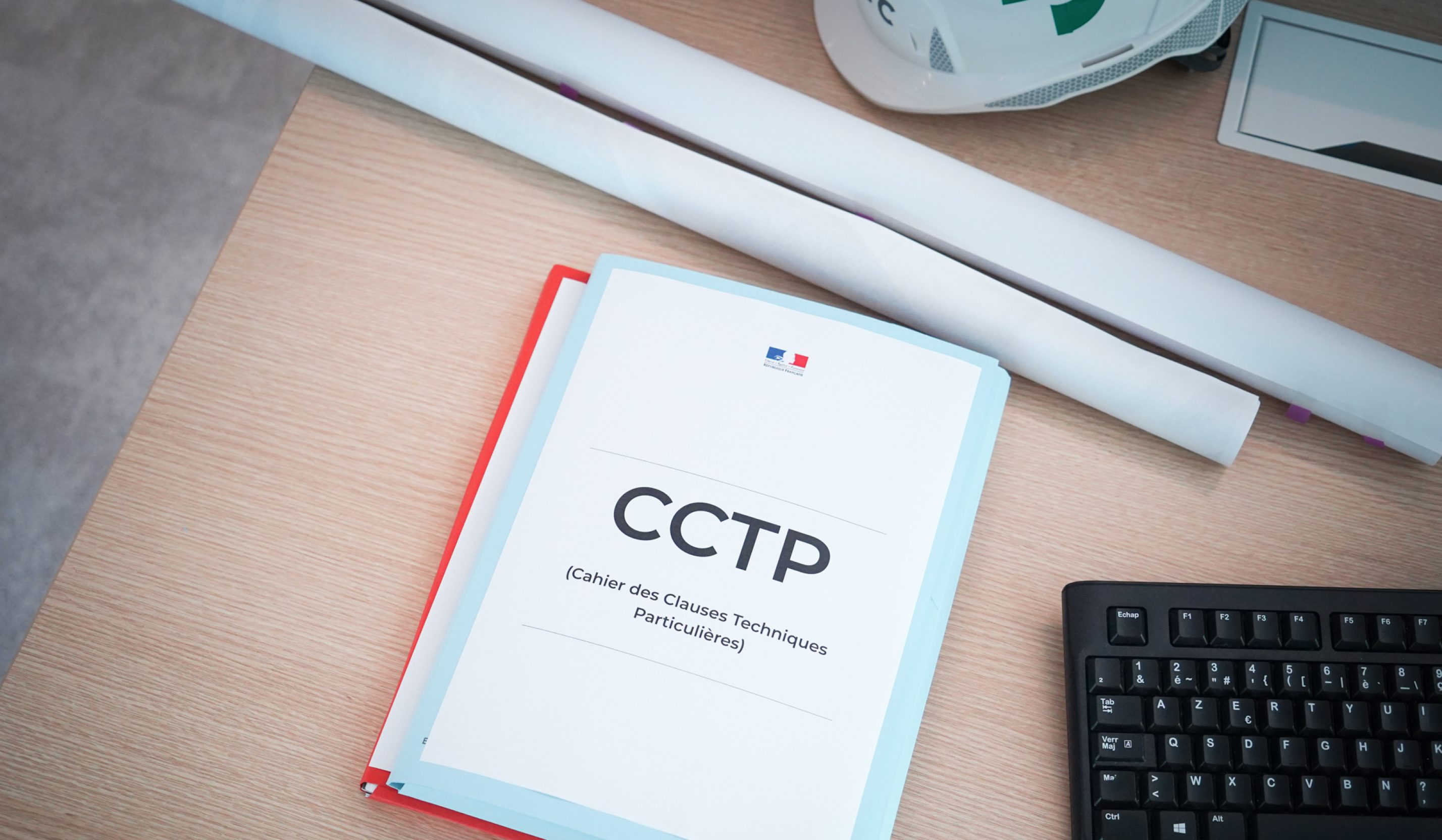
This issue manifests itself as poor integration into the contract documents. The failure to include these requirements in the Specifications (CCTP) is a critical point: environmental and social considerations are not given the same priority as technical or safety requirements. Similarly, their insufficient integration into the DPGF (breakdown of the global and lump-sum price) prevents resources and costs from being clearly linked, which limits their implementation by contractors. This discrepancy reflects a difficulty in coordination between the client, who sets the ambitious goals, and the project manager, who is responsible for translating these into contractual terms.
3. The difficulty in formulating clear, measurable objectives tailored to the specific characteristics of the project
From the project management team’s perspective, a key source of frustration lies in defining objectives with the client. The difficulty in formulating clear, measurable objectives tailored to the specific characteristics of the operations leads to a significant degree of uncertainty. This is exacerbated by the lack of a common framework (calculation methods, databases, monitoring tools), resulting in inconsistent practices. The issue of weighting criteria or adapting to different company sizes, particularly SMEs, is also a source of complexity.
4. The lack of budgeting for the resources required to meet the project’s CSR ambitions
This lack of structure is accompanied by a major sticking point: the budgeting of CSR ambitions. This often remains uncertain, placing the project management team in a delicate position between ambitious objectives and financial constraints that are not yet firmly established. The absence of clear incentive schemes (rewards and penalties) incorporated from the tender stage onwards limits companies’ commitment.
5. The lack of on-site CSR governance within the project
Another point of tension concerns governance. The lack of clarity regarding roles and responsibilities from the outset, particularly regarding CSR issues, leads to misunderstandings. The creation of a dedicated unit or a CSR support team, modelled on the CSPS (Health and Safety Coordinator), appears to be a solution but is still not widely implemented.
6. Failure to plan ahead for connection to utility networks
The failure to plan ahead for connection to utility networks highlights a lack of alignment between the client’s decision-making timetable and the constraints faced by utility providers. This situation is exacerbated by the late involvement of contractors, which is inherent in the way contracts are awarded. Furthermore, as they are not involved at an early stage, these companies are unable to propose logistical optimisations, pooling of resources or innovative solutions. The absence of specific clauses in the tender documents exacerbates this obstacle. Overall, this reflects insufficient systemic forward planning for the project, which undermines its overall performance.
Thus, the issues encountered in the early stages reflect a lack of foresight, a failure to enshrine CSR ambitions in contracts, and governance that remains insufficiently structured between project owners, project managers and contractors.
During the building works
During the construction phase, the main sticking points relate primarily to effective project management, monitoring of commitments and coordination between people, involving all stakeholders.
7. Insufficient involvement on the part of the decision-maker
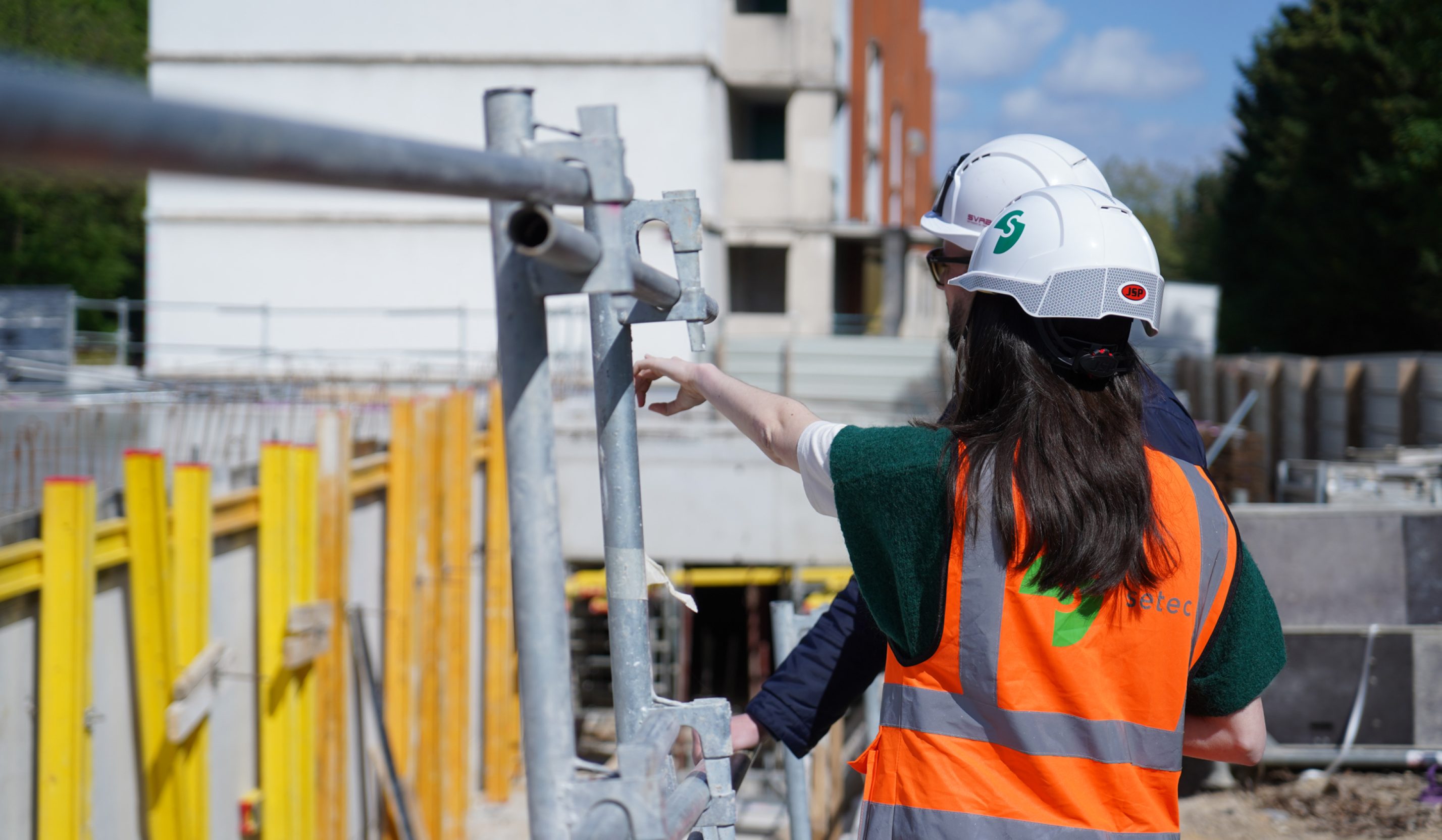
A key source of frustration relates to the project owner, and the need to ensure their effective presence on site. Insufficient involvement undermines project management and can lead to discrepancies between initial commitments and their actual delivery.
8. The absence of a CSR Coordinator
The project management team and monitoring teams face a major challenge: monitoring environmental performance. Although tools are available, their uptake remains uneven, which limits their effectiveness. This lack of structure can lead to a loss of control over impacts. A cross-cutting issue concerns the appointment of a dedicated point of contact. The absence of a clearly identified coordinator to champion CSR issues and act as a liaison between stakeholders creates gaps in monitoring and the flow of information.
9. Lack of site communication
Finally, issues of social acceptability remain a frequent blind spot, with requirements regarding communication and the management of nuisances still insufficiently structured. The lack of tools for tracking complaints, dedicated indicators and consultation mechanisms limits local residents’ sense of ownership of the construction project. In this context, these difficulties are exacerbated on the contractors’ side by the fact that information is still being disseminated inadequately and unevenly to local residents and shopkeepers. Despite the existence of tools, their inconsistent use undermines transparency and the quality of the service provided, particularly in the handling of complaints.
The issues arising during the construction phase highlight a need to strengthen project management, clarify responsibilities and improve communication between stakeholders.
After the building work
The post-project phase has brought to light a number of issues relating to the evaluation, capitalisation and value realisation of the initiatives.

10. The lack of CSR indicators
A key issue concerns the measurement of impacts. The lack of reliable indicators makes it difficult to assess results and limits the implementation of incentive schemes.
11. The lack of CSR feedback sessions
A key source of frustration relates to lessons learnt, which are often carried out too late or without proper preparation. This reduces their usefulness and reflects a lack of collective foresight.
12. The difficulty in estimating on-site CSR costs
From the project management perspective, a key issue concerns the financial assessment of CSR initiatives. The difficulty in objectively quantifying actual costs limits the ability to demonstrate their value.
The challenges in the downstream phase reflect a lack of structure in evaluation and capitalisation, as well as a lack of continuity in stakeholder engagement.
Conclusion
These 12 irritants provide an indirect insight into the day-to-day reality of many construction sites: if construction sites are still struggling to be peaceful and sustainable, it is not for lack of desire or conviction. It is mainly because good intentions all too often come up against complex organisational structures, poorly defined requirements and project management that unravels as the project progresses through its various phases.
Before work begins, CSR ambitions struggle to be translated into clear, operational requirements. During the works, on-site realities take precedence, due to a lack of clear governance, a designated point of contact and time set aside for monitoring. Finally, after the project is complete, the lack of indicators and feedback prevents us from measuring what actually worked… and from making collective progress.
These issues all tell the same story: one of a lack of continuity and coordination between stakeholders, from the initial scoping right through to the feedback phase. And this is precisely where CSR Project Management Support changes the game. By providing a structured approach, clarity and guidance, it helps to secure objectives from the outset, support teams during the implementation phase and give meaning – backed up by figures – to the actions undertaken.
CSR Project Management Support is not just another scheme. It is a point of support for project owners, a facilitator for project managers and a clear framework for contractors. It helps to turn the construction site into a space for cooperation rather than tension, and CSR into a practical lever rather than a theoretical principle.
At setec opency, this approach is based on a simple conviction: a construction site that is well prepared, well managed and well assessed is a site that runs more smoothly – for the teams, for local residents and for the local area. It is on this basis that construction sites can truly become more harmonious… and sustainably more responsible.
NEWS
Download the guide: Sustainable and peaceful building sites – solutions and lessons learnt to transform urban building sites https://www.parisandco.com/publications/chantiers-durables-apaises/
What role do we give to people on our construction sites? https://opency.setec.fr/quelle-place-donnons-nous-a-lhumain-sur-nos-chantiers/
CSR project management support by Setec Opency https://opency.setec.fr/amo-rse/